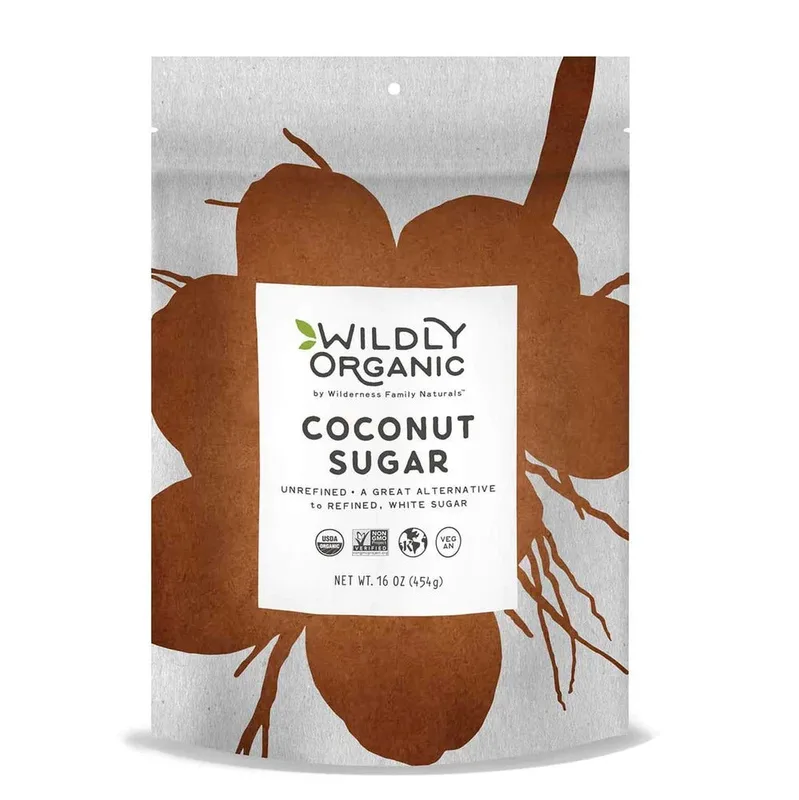
In a world increasingly focused on conscious consumption, the choices we make, even about something as simple as a sweetener, become meaningful. This brings us to a compelling alternative: organic coconut sugar. It's not just a trend; it's a staple for many who seek a more natural approach to their culinary creations. From your morning coffee to elaborate desserts, understanding the coconut sugar benefits can transform your kitchen pantry.
Derived from the sap of the coconut palm, this golden-brown sweetener offers a distinct, caramel-like flavor, reminiscent of brown sugar but with its own unique character. Unlike highly processed white sugar, coconut sugar undergoes minimal processing, retaining more of its natural goodness. This makes it an attractive option for those exploring a more whole-foods-oriented lifestyle.
The Appeal of a Natural Sweetener
Many individuals are actively seeking to replace highly refined sugars in their diets. This is where unrefined sugar alternatives like coconut sugar shine. It's a straightforward swap in most recipes, offering a familiar sweetness without the stark, one-dimensional profile of white sugar. This gentle sweetness makes it incredibly versatile, perfect for enhancing the flavor of beverages, sauces, marinades, and baked goods.
One of the primary reasons people choose coconut sugar is its journey from palm to pantry. Wildly Organic's offering, for example, is USDA Certified Organic, ensuring that it meets strict standards for purity and environmental responsibility. This commitment to quality and natural sourcing resonates deeply with consumers who prioritize transparency in their food choices.
Comparing Coconut Sugar to Traditional Options
When you line up organic coconut sugar against white sugar, brown sugar, or muscovado sugar, its unique properties stand out. While all provide sweetness, coconut sugar brings a subtle depth of flavor that can elevate your culinary creations. It's not just about the taste; it's about the entire profile it lends to your dishes, making it a favorite for bakers and home cooks alike.
Understanding the Glycemic Index
A significant factor for many in choosing a sweetener is its impact on blood sugar levels. While all sugars affect blood sugar, the glycemic index (GI) provides a measure of how quickly a food raises blood glucose. Coconut sugar is often highlighted for having a lower glycemic index than white sugar. This characteristic makes it appealing to those who are mindful of their sugar intake and blood sugar responses. It's important to remember that it is still sugar and should be consumed in moderation as part of a balanced diet.
According to research, the GI of coconut sugar is typically cited as being lower than that of refined cane sugar. For instance, the Food and Agriculture Organization (FAO) of the United Nations has noted that coconut sugar has a GI of 35, which is considered low. Compare this to regular table sugar, which typically has a GI of around 60-65. This difference is largely attributed to the presence of inulin, a dietary fiber found in coconut sugar, which may slow glucose absorption. You can learn more about the glycemic index and its implications for diet from reputable sources such as Harvard Health Publishing.
Sustainably Sourced for a Better Future
The story of Wildly Organic's coconut sugar extends beyond its taste and composition; it's also about its origins. The product is described as being sustainably sourced, which is a key consideration for the environmentally conscious consumer. This commitment often means supporting traditional farming practices that are gentle on the environment and provide fair livelihoods for local communities. Choosing products from brands like Wildly Organic is a way to align your purchasing power with your values.
The process of harvesting coconut sap is often traditional and low-impact. Farmers climb coconut palms, tap the flower blossoms, and collect the nutrient-rich sap. This sap is then gently heated until most of the water evaporates, leaving behind crystalline coconut sugar. This method is often less resource-intensive than the production of other common sugars.
Integrating Coconut Sugar into Your Daily Routine
Transitioning to unrefined sugar alternative is simpler than you might think. Its taste profile is versatile enough for almost any application where you'd use traditional sugar. Here are a few ways to integrate it:
- Baking: Substitute one-to-one for white or brown sugar in most recipes. Its caramel notes beautifully complement chocolate, spices, and fruit-based desserts.
- Beverages: Stir into coffee, tea, or smoothies for a natural sweetness.
- Cooking: Use in savory dishes like stir-fries, glazes for roasted vegetables, or homemade BBQ sauces to add a touch of complex sweetness.
- Dressings & Marinades: It can provide a balanced sweetness to vinaigrettes and marinades for meats or plant-based proteins.
Embracing organic coconut sugar is a step towards a more thoughtful approach to what you consume. It’s an ingredient that speaks to quality, naturalness, and a connection to sustainable practices.
Explore More Natural Sweeteners and Superfoods
The journey toward mindful eating often involves discovering a range of wholesome ingredients. If you appreciate the qualities of coconut sugar, you might also enjoy exploring other items in our superfoods collection. HommyWell is dedicated to offering products that align with a clean, wellness-focused lifestyle. Many find that incorporating a variety of natural ingredients enriches their culinary experience and supports their overall well-being.
Organic coconut sugar stands out as a delicious, versatile, and thoughtfully produced sweetener. Its gentle processing, unique flavor, and appeal to those monitoring glycemic response make it a compelling choice for the modern kitchen. By choosing coconut sugar, you're not just sweetening a dish; you're making a conscious decision that aligns with a broader wellness philosophy.
See our selection of quality superfoods for more natural pantry staples.