Seasonal Kitchen — 5 min —
When to Add Spices: Whole vs. Ground, and the 2-Minute Rule
It’s a Tuesday in November. There’s a pot of soup on the stove, a jar of cumin in your hand, and a small voice asking: now, or later? Most of us shake it in whenever we remember. Sometimes the soup tastes warm and round. Sometimes it tastes oddly flat, or faintly bitter, and we blame the recipe.
In this article
It’s rarely the recipe. It’s the timing. Spices are not like salt, which behaves the same whenever you add it. They’re little capsules of aromatic oils, and those oils are fragile: heat wakes them up, too much heat drives them off, and the form you use — a whole pod or a fine powder — decides how fast all of that happens. Once you see the logic, you’ll never wonder again.
Why spices behave differently from salt
Almost everything that makes a spice smell like itself lives in its essential oils. Those compounds need some warmth to be released, but they’re also volatile — they want to escape with the steam. Cooking with spices is really a balancing act: open the capsule, then keep what comes out in the pot.
There’s a second thing that salt doesn’t do: spices can turn on you. Overheat them, or leave them in too long, and they turn bitter. A soup that’s too salty can sometimes be rescued; a dish that has gone bitter from scorched spice almost never can. Too much heat (the chili kind) is fixable — add more liquid, a spoon of tomato or apple purée, or something starchy like rice, potatoes or pasta that soaks it up. Bitterness stays.
So the two questions are always: what form, and how long?
Whole spices: slow, gentle, forgiving
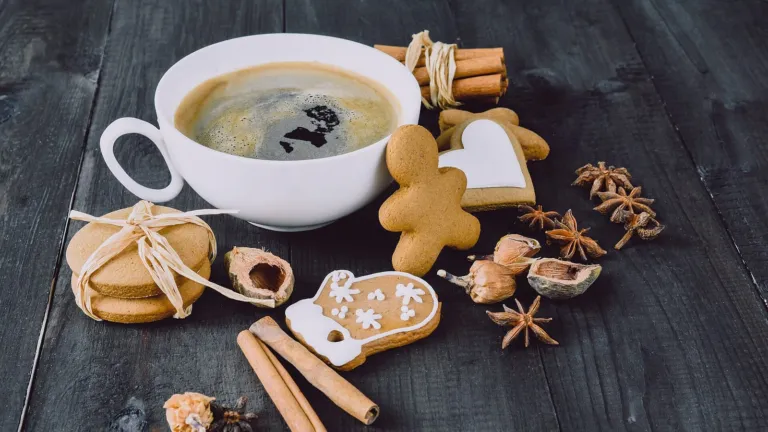
Whole spices — cinnamon sticks, cloves, peppercorns, star anise, bay leaves, cardamom pods, allspice berries — release their aroma slowly and softly. That makes them the right choice for anything that cooks a long time or sits in liquid:
- soups, stocks and stews
- poached fruit, mulled cider, compotes
- braises with wine or vinegar
- pickles and marinades
They have one more advantage: they’re almost impossible to overdo. You’re counting pieces, not shaking powder, and if you taste the pot and something starts to edge toward bitter, you can fish the cinnamon stick out. Many cooks tie whole spices into a small square of cheesecloth for exactly this reason.
Whole spices give a milder flavor per gram, so you need more of them. With pepper, it’s roughly three times as much whole as ground for the same effect. The flavor is less sharp and much less likely to burn.
Ground spices: fast, strong, late
Grinding multiplies the surface area, so ground spices release everything quickly — and lose it quickly. That’s why they belong at the end of hot cooking. A useful rule of thumb from classic European kitchens: add ground spices to a hot dish one to two minutes before it’s done. Long enough to wake them up, not long enough to cook them flat.
The exceptions are mixtures that cook inside something, like spiced batters, meatballs or fillings — there, ground spices go in at the start, because the food around them protects them.
Very fine spice powders (powdered sugar–fine, like some cinnamon or ginger dustings) are a finishing touch only. Sprinkle them on after the heat is off.
Fresh herbs: off the heat entirely
Delicate fresh herbs and aromatics are even more sensitive than ground spices: chopped garlic, dill, celery leaf, basil, chervil, savory. Add them when the pot comes off the burner. Stir, put the lid on, and give them two or three minutes to steep in the heat that’s left. They’ll perfume the whole dish instead of turning khaki and tired.
Sturdier herbs — thyme sprigs, rosemary, bay — can go in early, especially whole.
What the liquid changes
Here’s the part most recipes never explain: the medium you cook in changes how spices act.
- Water and broth are the neutral medium. The hotter the water and the longer the simmer, the more the spice gives up.
- Fat — butter or oil warmed gently — pulls out the finest, most perfumed part of the aroma. That’s why "blooming" spices in warm oil works so well. But in smoking hot oil, spices burn almost instantly and you’re left with color and bitterness. Warm, not hot.
- Acid and alcohol (vinegar, wine, citrus) extract spices hard and fast, and make them sharper. If a dish has a lot of wine or vinegar, use less spice than you think.
The same goes for aromatic vegetables you start a dish with — onion, leek, celery root, parsnip, fennel. Cook them low and slow until golden, not brown. Burned onion is the most common hidden source of a "bitter" stew.
A few habits that change everything
Keep spices dry. Never shake a jar over a steaming pot — steam gets inside, the powder clumps, and the whole jar goes dull. Measure onto a dry spoon, away from the stove.
Cut fresh herbs on a ceramic or plastic board if you can. Wood absorbs their oils and holds the smell for days.
Eat spiced food fresh. Reheating a heavily spiced dish a second time often flattens or roughens the flavor. If you cook ahead, go lighter on the spice and adjust after reheating.
Cold dishes need a lighter hand. Cold food tastes less aromatic, so it can take a little more spice — but it also hides nothing. In a salad dressing or dip, an extra pinch shows up immediately.
The cheat sheet
| What you’re using | When it goes in |
|---|---|
| Whole spices (sticks, pods, berries, bay) | At the start of long cooking; remove before serving |
| Ground spices in a hot dish | 1–2 minutes before it’s done |
| Ground spices in batters, fillings, meatballs | Mixed in from the start |
| Spices bloomed in fat | Warm oil, 30–60 seconds, never smoking |
| Fresh delicate herbs and garlic | Off the heat, lid on, 2–3 minutes |
| Fine spice dust | After cooking, as a garnish |
Try it tonight
Make a simple pot of lentil or vegetable soup. Add one cinnamon stick and two cloves with the broth; take them out after twenty minutes. Two minutes before you turn off the heat, stir in a pinch of ground cumin. Off the heat, a handful of chopped dill or parsley, lid on, three minutes. Taste. Same ingredients you always use — a completely different soup.
For more slow, seasonal cooking ideas, browse the autumn season page, and next, learn how to store spices and dried herbs so the jar you reach for still smells like something.
FAQ
Should you add spices at the beginning or end of cooking?
It depends on the form. Whole spices go in at the beginning of long cooking; ground spices go in near the end, one to two minutes before the dish is done; delicate fresh herbs go in after the heat is off.
Why does my food taste bitter after adding spices?
Usually because the spices were overheated — added too early in their ground form, or fried in oil that was too hot. Too large a dose, or a lot of vinegar or wine, can make it worse. Bitterness is hard to fix, so add ground spices late and bloom them in warm, not smoking, oil.
Are whole spices better than ground?
Neither is better; they do different jobs. Whole spices give a softer, more rounded flavor and are hard to overdo, which suits soups, stews and pickles. Ground spices are stronger and faster, which suits quick cooking and baking.
Try it
Open the Autumn shelfFind your skin season

Seven questions, one minute
Which season is your skin?
Skin types are easier to remember as seasons. Answer seven simple questions and we will open the shelf made for yours.

Written by Dilyara, founder of HommyWell. She reads ingredient labels the way other people read novels. About her.