Seasonal Kitchen — 4 min —
A Warming Tea for Cold Evenings: Three Spice Blends to Make at Home
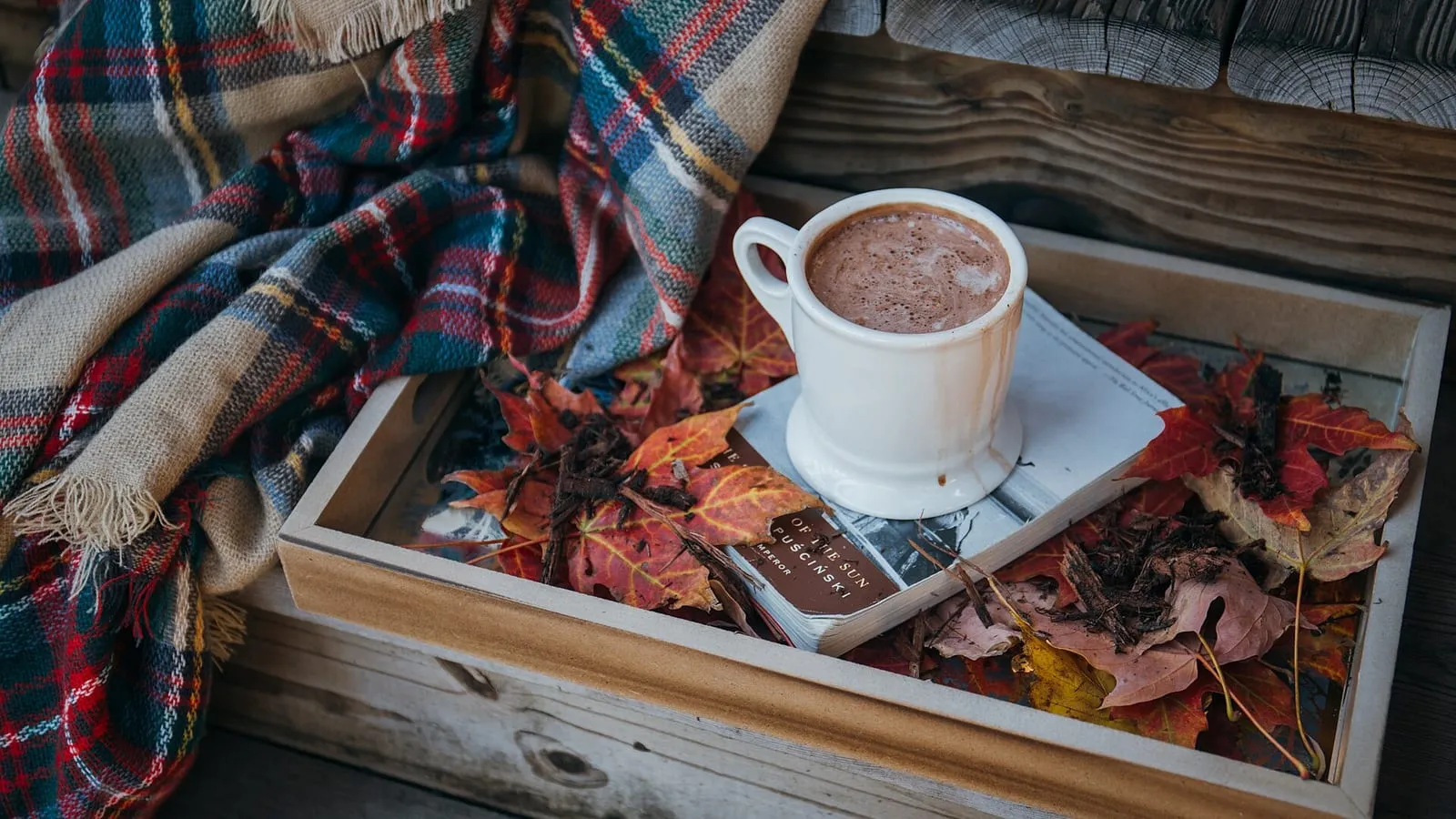
There’s a specific kind of cold that arrives in late November. Not the dramatic kind, just the damp, gray, five-o’clock-dark kind that settles in your fingers and won’t leave. A sweater helps. A warm drink, held in both hands, helps more.
In this article
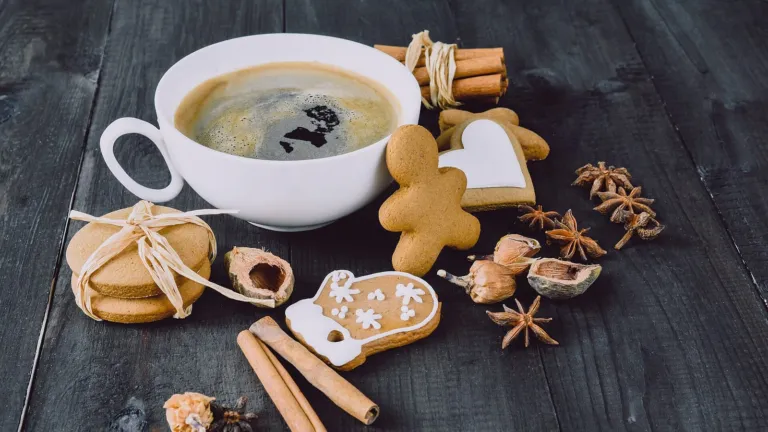
Some spices are especially good at making a cup feel warm. Ginger, cinnamon, clove and a pinch of black pepper have a long history in winter kitchens precisely because of that sensation of heat that spreads from the inside. Here are three blends to keep on hand from now until spring, plus the method that keeps them fragrant instead of flat.
The warming spices, briefly
- Ginger — the most direct warmth. Fresh is bright and sharp; dried is deeper and earthier.
- Cinnamon — sweet warmth without sugar. True (Ceylon) cinnamon is softer and more floral; cassia is stronger and spicier.
- Clove — intense and resinous; one or two buds per pot is plenty.
- Black pepper — a single crushed peppercorn makes the other spices taste louder.
- Star anise — licorice-sweet, beautiful in a glass pot.
- Dried citrus peel — orange or mandarin peel adds brightness and smells like the holidays.
All of these are "hard" ingredients — bark, seeds, buds, roots — which means they need real heat and time. Our guide to infusions and decoctions explains why, but the short version: either simmer them gently, or crush them small and steep them covered for longer than you’d steep a tea bag.
Blend 1: Apple Evening
The one to make when it’s raining. Soft, fruity and only lightly spiced — a drink that feels like a blanket.
For two mugs:
- a small handful of dried apple slices (or half a fresh apple, sliced thin)
- 1 cinnamon stick
- 2 whole cloves
- 4–5 dried rose hips, cracked with the back of a spoon
- optional: 1 teaspoon black tea for a little body
Put everything except the tea in a small pot with two and a half cups of water. Bring to a gentle simmer, cover, and keep at the barest bubble for ten minutes. Take it off the heat, add the black tea if using, cover again and steep five minutes. Strain. A spoon of honey is lovely here.
Blend 2: Winter Sun
Bright and gingery — a good morning drink when you want something lively that isn’t another coffee.
For two mugs:
- a 1-inch piece of fresh ginger, thinly sliced or grated
- 1 cinnamon stick, broken in half
- a few strips of dried orange peel (or the peel of half a fresh orange, white pith removed)
- 1 black peppercorn, crushed
- optional: 1 teaspoon black tea or rooibos
Simmer the ginger, cinnamon and pepper in two and a half cups of water for ten to fifteen minutes, covered. Off the heat, add the orange peel and tea, cover, and steep five minutes. Strain, and finish with honey and a squeeze of orange if you like.
If you’re sensitive to spicy food, halve the ginger and skip the pepper.
Blend 3: Pear and Star Anise
The quiet one, for after dinner. Floral, sweet, almost dessert-like, with no caffeine.
For two mugs:
- 1 ripe pear, sliced (or a handful of dried pear)
- 1 star anise
- a thin slice of fresh ginger
- 1 strip of lemon peel
- optional: a pinch of dried chamomile or linden flowers
Simmer the pear, star anise and ginger in two and a half cups of water for ten minutes, covered. Off the heat, add lemon peel and flowers, cover and steep five more minutes. Strain and drink warm. The softened pear slices are good with a spoon of yogurt.
Make your own dry mix for the month
If you’d like a jar ready to go, make a dry blend without the fresh fruit:
- 4 cinnamon sticks, broken into pieces
- 2 tablespoons dried orange peel
- 2 tablespoons dried apple pieces
- 1 tablespoon dried ginger pieces (not powder)
- 1 tablespoon cracked rose hips
- 1 teaspoon whole cloves
- 4 star anise, broken
Mix, store in a dark glass jar, and use about two heaping tablespoons per pot. Shake the jar before scooping — the small pieces sink.
Making it taste its best
Cover the pot. The fragrance of spices is in oils that escape with the steam.
Simmer, don’t boil hard. A rolling boil makes cinnamon and clove harsh.
Add delicate things last. Flowers, black tea, fresh citrus peel: off the heat, covered, five minutes.
Make it fresh. Spiced drinks taste best the day they’re made; reheating more than once dulls them.
Hold the cup. Seriously. Ten minutes with a warm cup in both hands, no phone, looking out of a window, is half of why this works.
A note on comfort
These blends are about warmth and a small daily ritual, not about treating anything. If you have a fever, skip the warming spices and stick with plain, gentle drinks; and if your stomach is sensitive, go easy on ginger and pepper.
For more slow pleasures for the darkest weeks of the year, explore the autumn season page.
FAQ
What spices are warming in tea?
Ginger, cinnamon, cloves, black pepper and star anise are the classic warming spices. Dried orange or mandarin peel adds a bright, festive aroma.
Can I use ground spices in tea?
You can, but they make the tea cloudy and can taste harsher. Whole or roughly broken spices give a cleaner, softer flavor and are easier to strain. If you only have ground, use a pinch and strain through a paper filter.
How long should I simmer spices for tea?
About ten to fifteen minutes, covered, on very low heat. Add delicate ingredients like flowers, black tea and fresh citrus peel after you turn off the heat, and steep them five minutes.
Try it
Open the Autumn shelfFind your skin season

Seven questions, one minute
Which season is your skin?
Skin types are easier to remember as seasons. Answer seven simple questions and we will open the shelf made for yours.

Written by Dilyara, founder of HommyWell. She reads ingredient labels the way other people read novels. About her.