Home — 4 min —
The Three-Shelf Winter Pantry: How to Organize Herbs and Spices for the Cold Months
It always happens on the worst evening. You’re cold, a little run down, and you want one specific thing — the ginger, the honey, the chamomile you know you bought. You stand in front of the cabinet moving jars around, find three half-empty bags of mint, and give up.
In this article
Autumn is the moment to fix that. Old-fashioned households did a pantry check every fall: what’s left from summer, what’s missing, what needs relabeling before the long winter. It’s not about stockpiling. It’s about being able to reach the comforting thing in five seconds when you need it.
Here’s a simple system: three zones, each with a clear job.
Zone 1: Within Reach
The job: what you want fast, on a cold or tired evening. Front of the shelf, eye level, near the kettle.
What lives here:
- fresh ginger (in the fridge door or a bowl on the counter) and a jar of dried ginger pieces
- a good honey
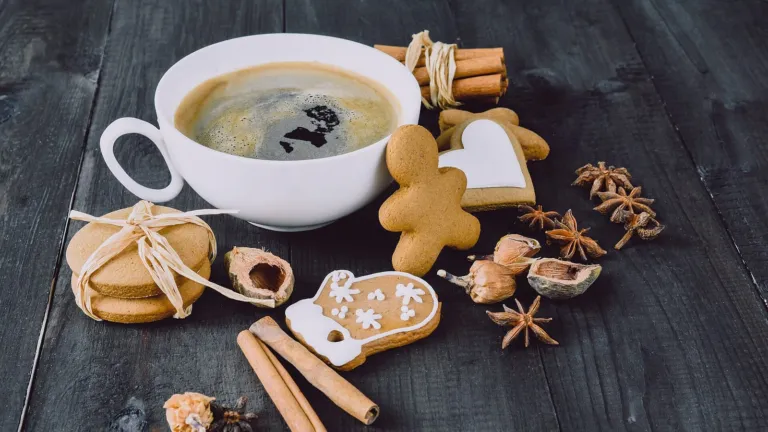
- cinnamon sticks and whole cloves
- chamomile and linden flowers (or good-quality tea bags)
- lemons, and a jar of dried orange or mandarin peel
- your favorite black tea, rooibos, or a caffeine-free blend
The rule for this zone: five to seven items, no more. Its value is that you don’t have to think.
Zone 2: The Everyday Shelf
The job: what you use daily or weekly for cooking and ordinary teas. The main spice drawer or a middle shelf.
What lives here:
- the core spices you actually cook with — salt, black pepper, paprika, cumin, cinnamon, nutmeg, bay leaves, a dried herb or two (thyme, oregano)
- teas you drink regularly: mint, a black tea, rose hips, a fruit blend
- seeds and nuts for breakfast
- oats, rice, lentils, dried beans
Organize by how often you use something, not alphabetically. The jar you reach for every morning goes front and center; the saffron you use twice a year goes to the back.
Zone 3: Slow Projects
The job: things that aren’t for "right now" but for the season as a whole — and that you’d otherwise forget about. A separate box, basket or top shelf.
What lives here:
- whole spices bought in bulk for refilling smaller jars
- ingredients for holiday baking (gingerbread spices, candied peel, dried fruit)
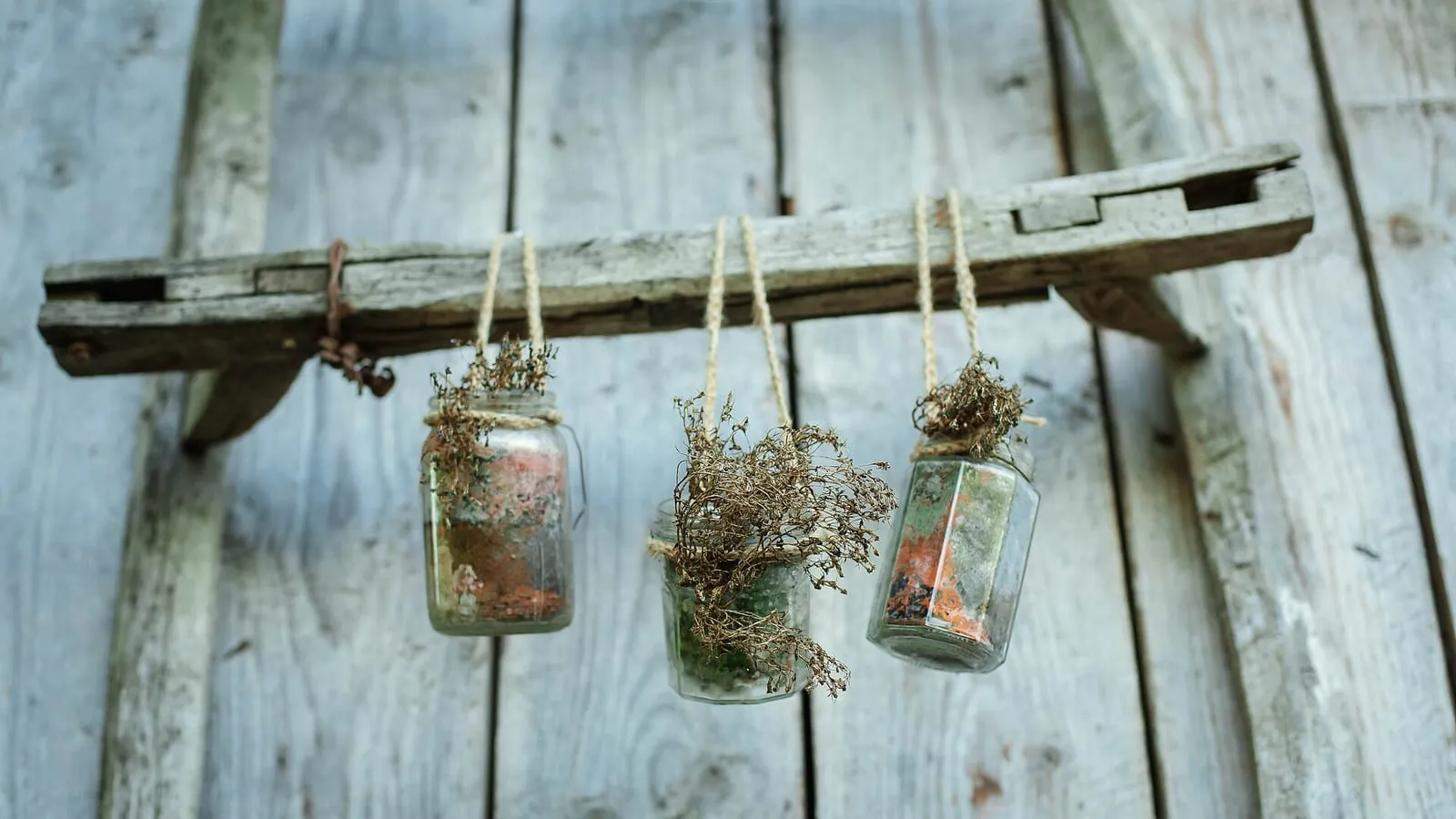
- things that are in process: a jar of citrus peels drying, a batch of infused honey, fruit soaking for a holiday cake
- seeds for spring planting, if you garden on a balcony
Autumn is the traditional season for this kind of slow work — infusing, preserving, drying. Things started in November are ready by the holidays.
The labeling rule (the one that changes everything)
Go through every jar and bag and write two things on it:
- What it is. In November, "green stuff" is a mystery.
- When you bought or dried it. Month and year.
Then use the oldest first. Dried herbs from more than a year or two ago won’t hurt you, but they’ve lost most of their aroma — move them into baths, sachets, or the compost, and replace them. Our guide to storing spices and dried herbs has the full shelf-life table.
What to add for winter
A short list of things that earn their place from now until March:
- Rose hips — tart, fruity, beautiful in winter teas.
- Dried apple slices — instant comfort in a tea pot, and a snack.
- Star anise — for teas, poached fruit and the house smelling like the holidays.
- Whole nutmeg and a small grater — freshly grated nutmeg on anything warm is a small luxury.
- Hops and lavender — not for cooking, but for a small sachet by the bed.
- Dried citrus peel — you can make your own: save peels from oranges and mandarins, scrape off most of the white pith, and dry them on a plate near (not on) a radiator for a few days.
A 30-minute pantry reset
- Empty one shelf at a time. Not the whole pantry.
- Sniff test. Keep, use soon, retire.
- Combine duplicates. Three open bags of mint become one jar.
- Decant into small jars with tight lids. Small jars mean less air and fresher contents.
- Label and date.
- Fill Zone 1 last, with the five to seven things you want in your hands on a cold night.
Put it to work tonight
Once Zone 1 is set up, you’re thirty seconds away from a warm drink on any evening. Try one of our three warming spice blends — they’re built entirely from what lives on that shelf.
FAQ
What should I keep in my pantry for winter?
Beyond basics like grains and beans: fresh and dried ginger, honey, cinnamon sticks, cloves, star anise, rose hips, dried apple, citrus peel, chamomile and a good black tea or rooibos. These cover warm drinks, baking and slow cooking through the cold months.
How do I organize spices and herbs in a small kitchen?
Use three zones: a small "within reach" group of five to seven items near the kettle, an everyday shelf ordered by how often you use things, and a separate box for bulk refills and seasonal projects. Small labeled jars save space and keep contents fresher.
How often should I replace dried herbs and spices?
Ground spices and dried herbs keep their aroma for about one to two years, whole spices for two to four. Smell them: if the aroma is faint, use them in long-simmered dishes or replace them.
Try it
Open the Autumn shelfFind your skin season

Seven questions, one minute
Which season is your skin?
Skin types are easier to remember as seasons. Answer seven simple questions and we will open the shelf made for yours.

Written by Dilyara, founder of HommyWell. She reads ingredient labels the way other people read novels. About her.