
Skin — 5 min —
Why Your Face Turns Red After a Hot Shower (and the 3-Minute Fix)
Face turns red and tight after a hot shower? Here is why it happens, which skin season it hits hardest, and a 3-minute routine that calms it.
You step out of a hot shower, wipe the mirror, and your face looks like you just ran a mile. Cheeks flushed, forehead pink, skin tight enough that smiling feels like work. Twenty minutes later it fades, and tomorrow it happens again.
If that is you, nothing is wrong with you. A red face after a shower has a simple cause, and it usually tells you something useful about your skin type. Below: why it happens, who gets it worst, and the three-minute routine that keeps it calm.
Why your face turns red after a hot shower
Two things happen at once when hot water hits your face.
1. Your blood vessels open wide. Heat makes the tiny vessels close to the surface of your skin dilate, so more blood flows through them. That is the flush you see. On fair or thin skin, those vessels sit closer to the surface, so the color shows faster and stays longer.
2. Hot water strips the oils that hold moisture in. Your skin is covered in a thin layer of natural oils and lipids, often called the skin barrier. Hot water dissolves it much faster than warm water does. Add a foaming cleanser and a rough towel, and the barrier is thin for the next hour. Water evaporates out of your skin, and you feel the tightness.
Redness plus tightness is the classic combination. The first fades in twenty minutes. The second is what builds up over a winter of daily hot showers into flaky patches, stinging creams and that “my skin hates everything” feeling.
Who gets it worst: Winter skin
At HommyWell we describe skin types as seasons, because a season is a picture you already know.
- Winter skin is fair, thin and dry. It feels tight after washing, burns rather than tans, and turns red easily: in the cold, in the heat, after a hot shower. This is the skin type that reacts most.
- Spring skin is combination. The T-zone gets shiny, the cheeks get dry, and the cheeks are usually the part that flushes.
- Summer skin is oily and resilient. It rarely turns red from water, but it often over-washes to fight shine, which causes its own problems.
- Autumn skin is mature skin that is slowing down. The barrier repairs itself more slowly after forty, so a flush that used to fade in ten minutes now lingers.
Not sure which one you are? Take the free 60-second skin season quiz. It asks seven quick questions about how your skin behaves after washing and in the sun.
The 3-minute fix after a shower
You do not need to give up hot showers. You need to change what happens in the three minutes around your face.
Minute 1: Turn the water down for your face
Keep the hot water for your body if you love it. For your face, step out of the stream or turn it down to lukewarm, roughly the temperature you would use to wash a baby. Rinse for twenty seconds, no longer. Long, hot rinsing is what strips the barrier.
Minute 2: Pat, do not rub, and leave the skin damp
Press a soft towel against your face and lift it off. Do not rub. Rubbing adds friction to skin that is already flushed, and it also removes the last bit of water you want to keep. Your face should still feel slightly damp when you are done.
Minute 3: Seal it in while the skin is damp
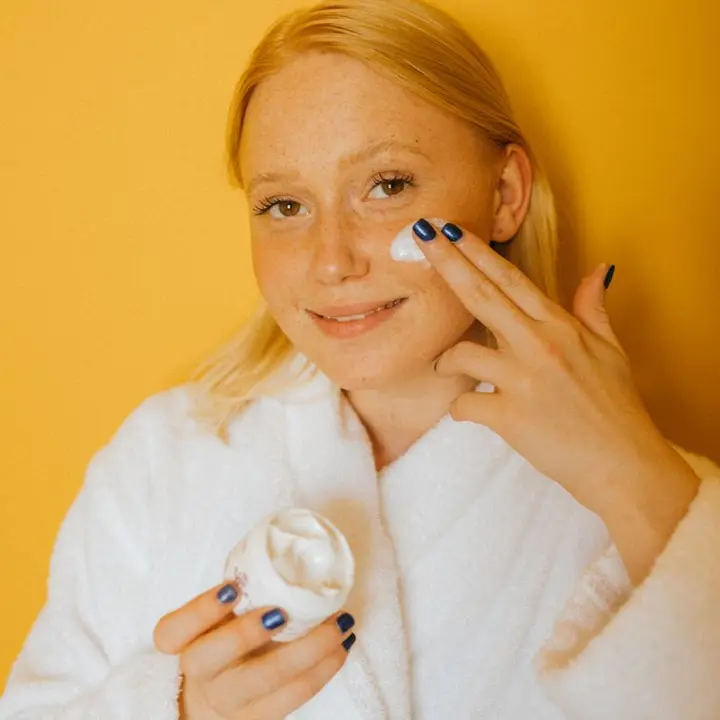
Within three minutes of stepping out, apply your moisturizer to damp skin. Damp skin absorbs and holds a cream far better than dry skin. Press it in with flat palms instead of rubbing in circles.
What to look for in that moisturizer depends on your season:
| Skin season | What helps after a shower |
|---|---|
| Winter | A rich cream with ceramides, shea or squalane. Fragrance-free. |
| Spring | A light gel all over, a richer cream only on the cheeks. |
| Summer | An oil-free water gel. Yes, oily skin still needs it. |
| Autumn | A cushioning cream with peptides, plus SPF in the morning. |
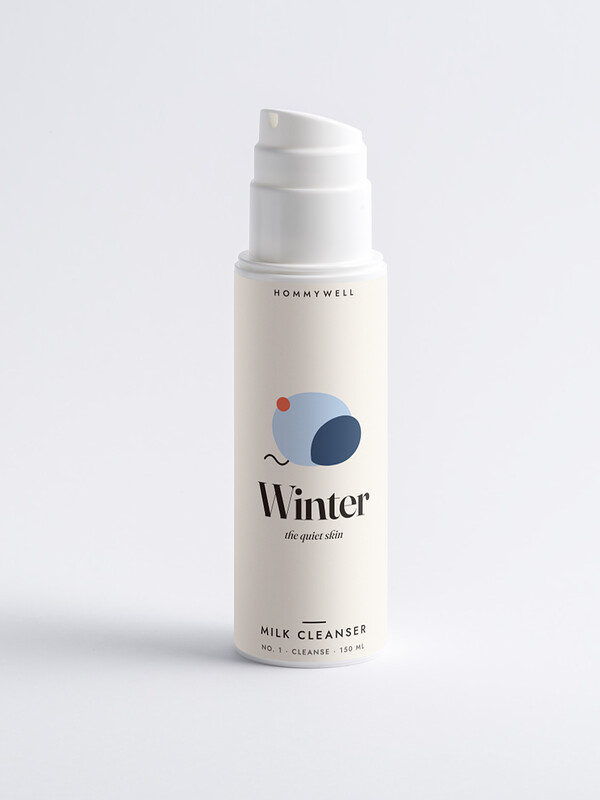
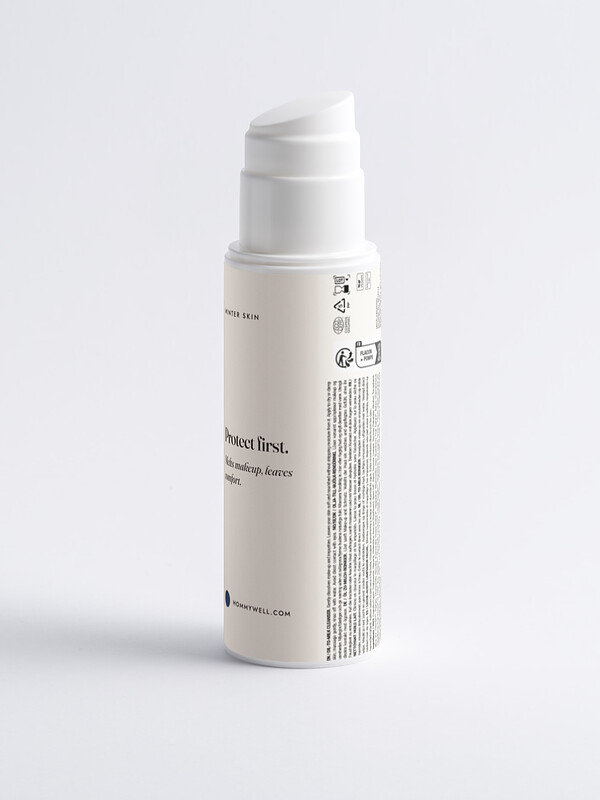
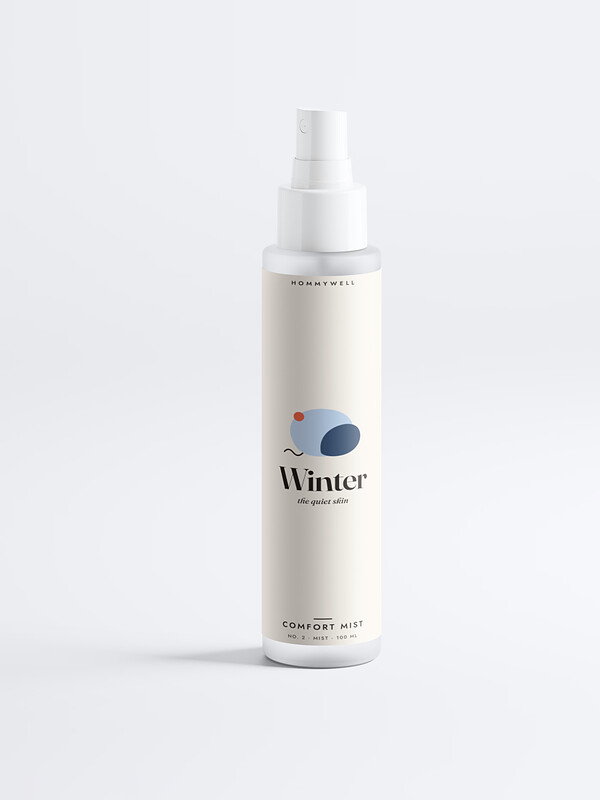
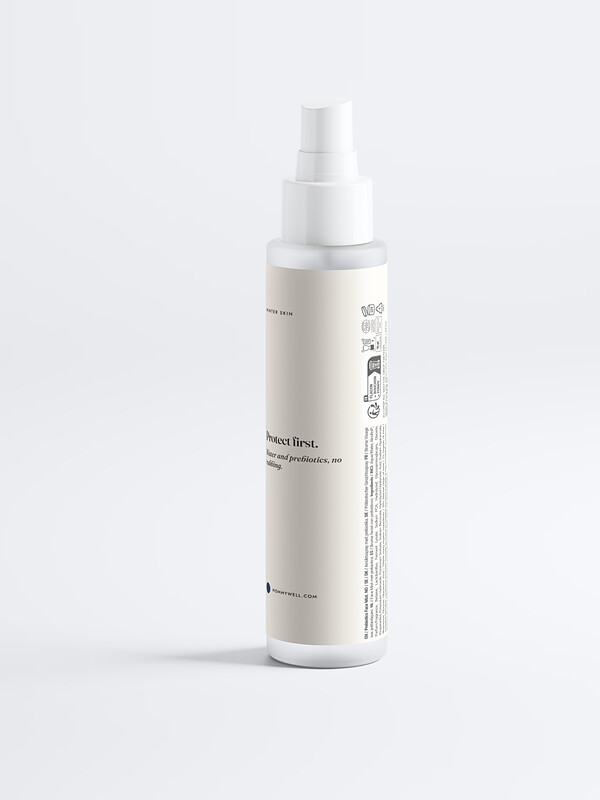
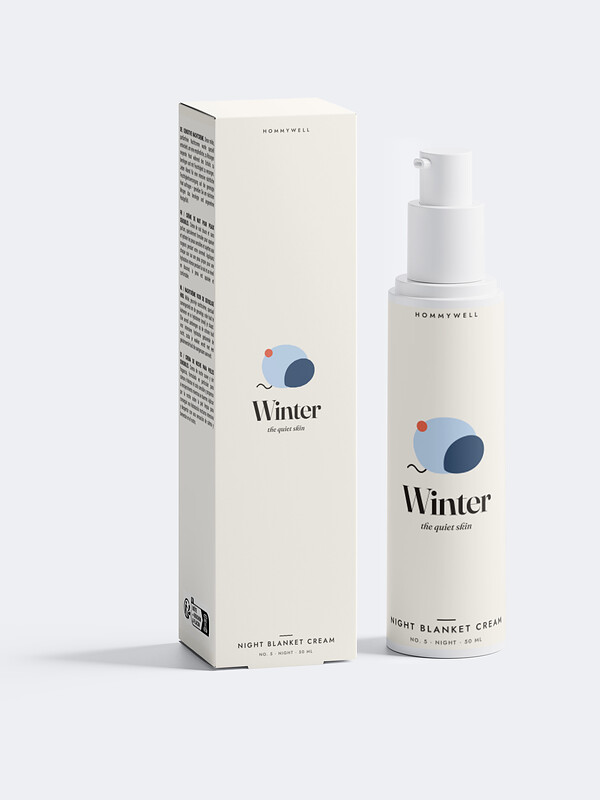
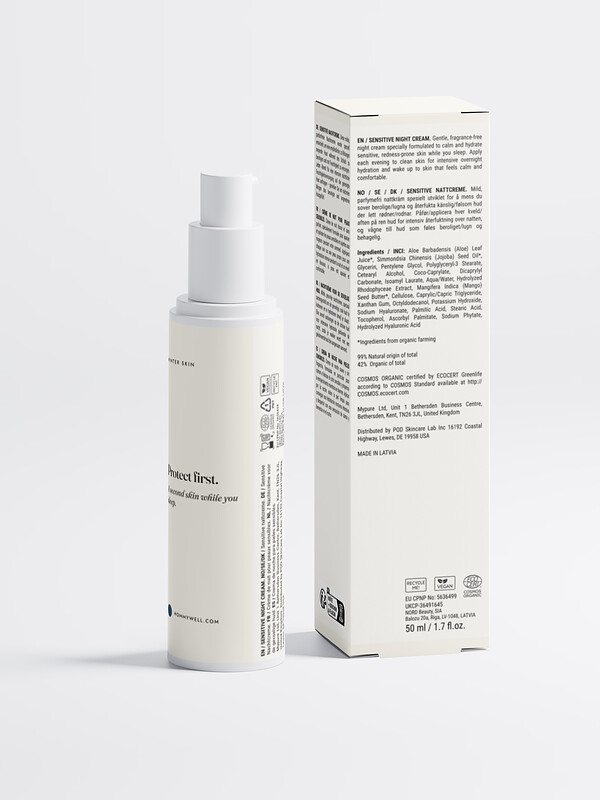
For Winter skin, our shelf is built around exactly this: the Winter Milk Cleanser for a gentle evening wash, the Winter Comfort Mist to keep skin damp for that three-minute window, and the Winter Night Blanket Cream to seal it in.
Five habits that make shower redness worse
- Washing your face in the shower with the same hot water as your hair. Wash your face at the sink before or after, with lukewarm water.
- Using a foaming cleanser twice a day. Winter and Autumn skin usually do better with a cream or milk cleanser at night and just water in the morning.
- Long showers in the heating season. Indoor heat already pulls water out of your skin. Ten minutes is plenty.
- Applying cream ten minutes later. By then the skin is dry and tight. Three minutes is the window.
- Trying a new product every week. Flushed skin needs consistency. Give any routine four weeks before you judge it.
When the redness does not go away
A flush that fades within half an hour is your skin reacting to heat. If your face stays red for hours, burns or stings with every product, or the redness spreads with visible small vessels, that is worth a visit to a dermatologist, who can tell you whether something more is going on.
The short version
- Hot water opens the vessels and strips the barrier. That is the red, tight face.
- Winter and Autumn skin react the most.
- Lukewarm water on the face, pat dry, cream on damp skin within three minutes.
- Pick your moisturizer by your skin season, not by the bottle that looks nicest.
Want a routine built for your exact type? Find your skin season and see the full seven-step shelf for it.
FAQ
Is it bad if my face turns red after a shower?
Usually not. A short flush that fades within twenty to thirty minutes is a normal response to heat. The tightness that comes with it is the part to care for, because repeated barrier stripping leads to dryness and sensitivity.
Why is my face red after a shower but not my body?
Facial skin is thinner and has more small vessels close to the surface than most of the body. It also gets washed more often, so its barrier is usually under more stress.
How long should I wait to apply moisturizer after a shower?
Apply it within three minutes, while your skin is still slightly damp. Damp skin holds onto moisturizer much better than fully dry skin.
Does cold water close pores and stop redness?
Pores do not open and close like doors. A splash of cool water can make the flush fade a little faster, but very cold water is another shock for sensitive skin. Lukewarm is the safest choice for your face.
What skin type gets red after showers the most?
Fair, thin, dry skin, which we call Winter skin, reacts the most, followed by mature Autumn skin, whose barrier recovers more slowly.
Try it
From this essay to your shelf.
 Earn $13 on every order
Share this product with your link or code and get $13 each time someone buys it. Season Club members earn $17.
Become a partner
How it works
 Earn $9 on every order
Share this product with your link or code and get $9 each time someone buys it. Season Club members earn $12.
Become a partner
How it works
 Earn $11 on every order
Share this product with your link or code and get $11 each time someone buys it. Season Club members earn $14.
Become a partner
How it works
Find your skin season
Seven questions, one minute
Which season is your skin?
Skin types are easier to remember as seasons. Answer seven simple questions and we will open the shelf made for yours.

Written by Dilyara, founder of HommyWell. She reads ingredient labels the way other people read novels. About her.