
Skin Seasons — 7 min —
Summer Skin Type: 7 Clear Signs Your Skin Is Oily and Resilient
Summer skin type is oily, strong and shiny by noon. Check the 7 clear signs, see real examples and follow an easy routine that keeps shine and pores calm.
The summer skin type is the skin that is already glowing at nine in the morning and shining by noon. It is thick, strong and generous. It rarely stings, rarely flakes and almost never burns. It also brings blackheads, visible pores and marks that stay long after a breakout has gone.
Table of Contents
At HommyWell we sort skin into four seasons. Summer is the abundant one. Like July, it gives a lot: a lot of oil, a lot of colour in the sun, a lot of resilience. The work is not to stop it. The work is to lighten the load.
Here are the seven signs, three everyday examples, the rules that keep this skin clear and a routine that takes five minutes. Not sure of your season yet? The seven-question skin season quiz will tell you in a minute.
What is the summer skin type?
The summer skin type is skin with large, active oil glands across the whole face, not only in the centre. These are the sebaceous glands, and on a Summer face they work at full speed.
The oil they make is not a flaw. It is a natural coat that keeps water in and the weather out. That coat is why this skin stays smooth for decades. It is also why pores stretch, why makeup moves and why old skin cells stick together instead of falling away.
Three things define it:
- It is oily. Shine returns within a couple of hours of washing, across the whole face.
- It is resilient. Friction, wind and new products rarely upset it.
- It tans. It takes colour fast and rarely burns, though it still needs protection.
If you have spent years wishing for dry skin, here is the other side of the story: a summer skin type shows lines later than every other season.
The 7 clear signs of a summer skin type
Five or more, and this is your season.
1. Shine by noon, everywhere
Not only the nose. The forehead, the cheeks and the chin all catch the light by midday. A tissue pressed to your face comes away with a clear print.
2. Pores you can see on the cheeks
In daylight you can see pores not just in the T-zone but across the cheeks. They look larger when they are full and smaller right after cleansing.
3. Blackheads that always return
You clear them and three weeks later they are back, on the nose, the chin and sometimes the forehead. They are not dirt. They are oil and old skin cells that have met the air.
4. You tan fast and rarely burn
A summer skin type usually picks up colour within days. You are the friend who comes back from a weekend away looking like she had two weeks.
5. Your skin almost never reacts
Scarves, towels, hotel soap, a friend’s cream. Nothing leaves a mark. You have probably never understood what people mean by sensitive skin.
6. Rich creams feel like a coat you cannot take off
You try a thick night cream and wake up feeling clogged, with a new bump or two. Heavy textures sit on top of your skin instead of sinking in.
7. Marks stay long after a breakout
The spot is gone in a week. The pink or brown mark it left is still there two months later. This is one of the most telling signs of a summer skin type, and it is the one that bothers most Summers more than the breakouts themselves.

Three everyday examples
Example 1. The video call. You do your makeup at eight. On the ten o’clock call you look fresh. On the two o’clock call your forehead is reflecting the ceiling light. You did nothing wrong. Your skin simply kept working.
Example 2. The borrowed cream. On a trip you forget your moisturiser and use your sister’s rich winter cream for three nights. On the fourth morning there are small bumps along your jaw. A summer skin type treats heavy cream as extra traffic on an already busy road.
Example 3. The harsh fix. Tired of shine, you buy the strongest foaming cleanser and an alcohol toner. For a week your face feels clean and tight. Then it becomes shinier than before, and now it stings. You stripped the coat, and your skin rushed to rebuild it.
That third example is the most common mistake of this season.
What the summer skin type needs: 5 rules
The rule for this season is lighten the load. You are not trying to dry your skin. You are helping it let go of what it no longer needs.
Rule 1. Hydrate with water, not with oil
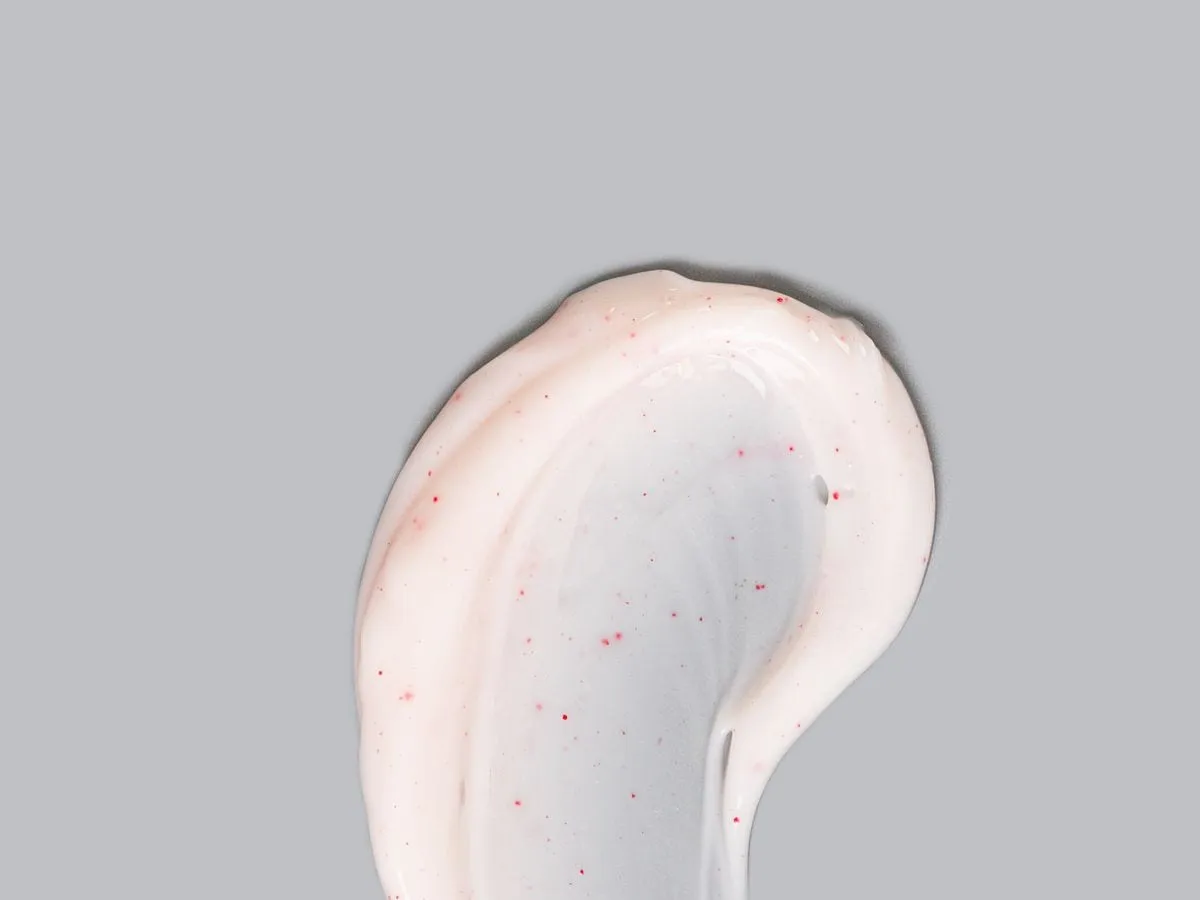
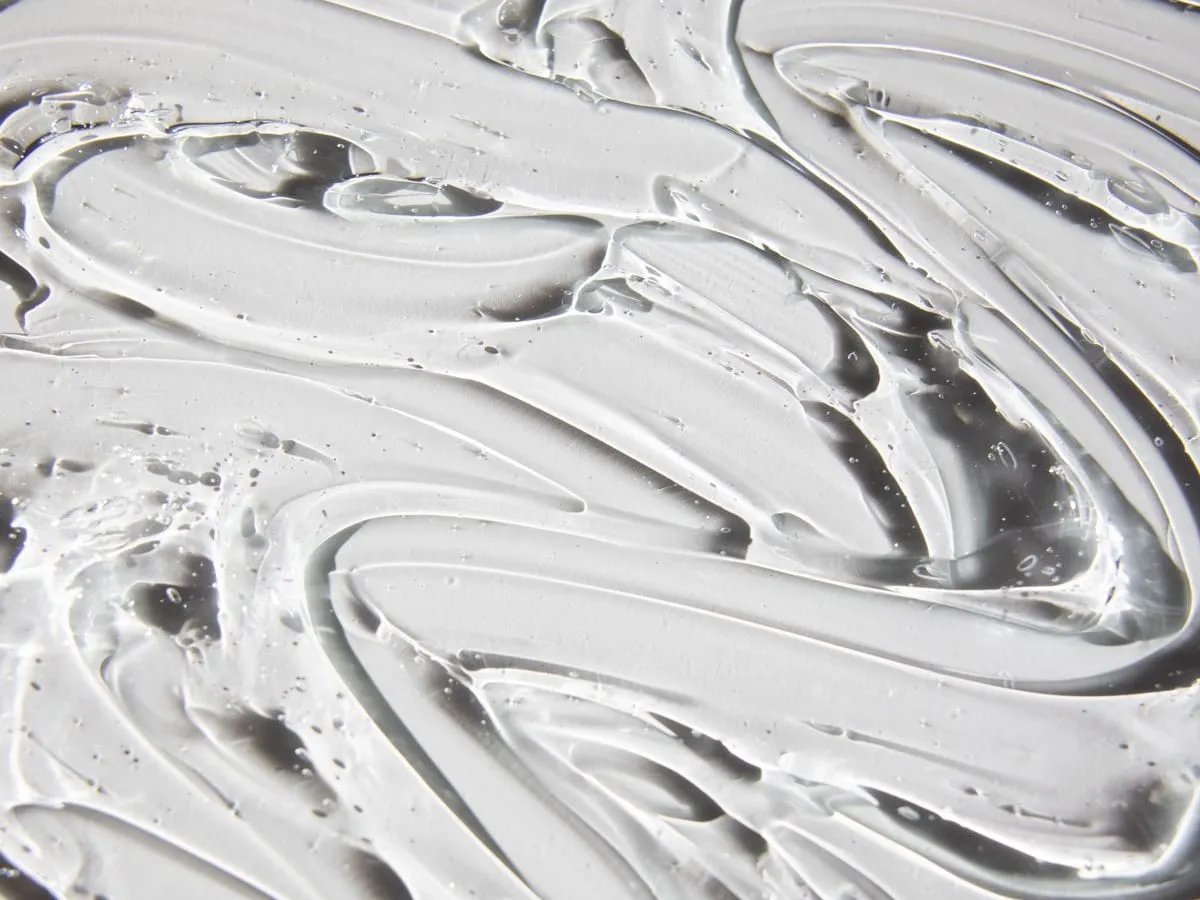
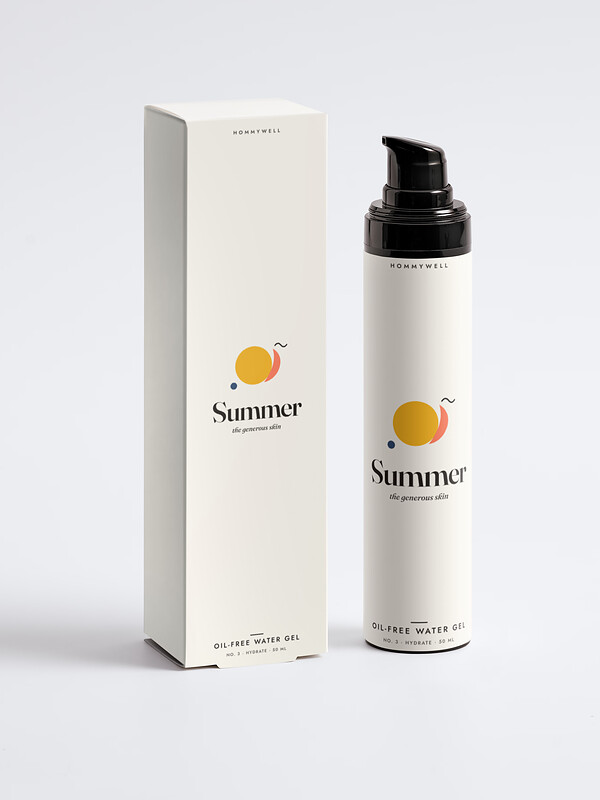
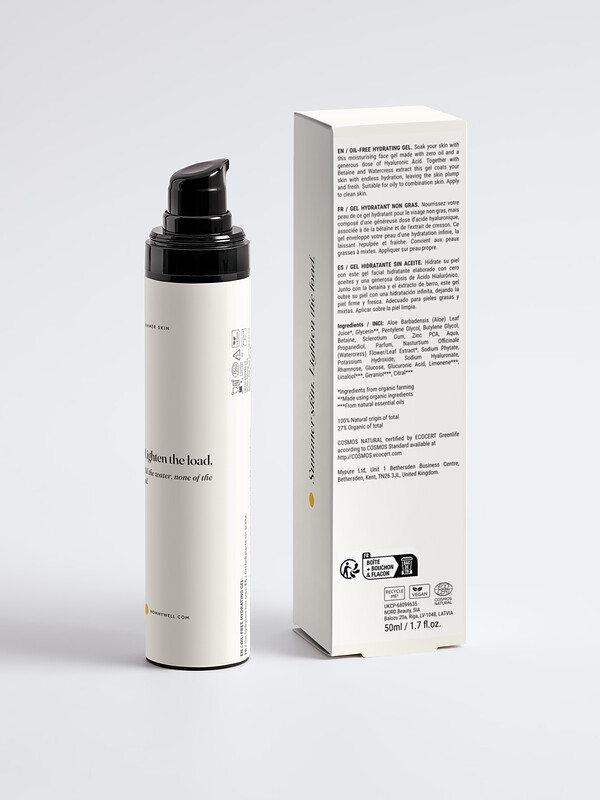
Oily skin can still be short of water, and when it is, it makes even more oil. A summer skin type needs hydration in the lightest possible form. A gel like Summer Oil-Free Water Gel gives water with no weight. For many Summers it replaces cream entirely.
Rule 2. Regular, gentle renewal
This is the heart of the routine. Old skin cells and oil are what fill pores and leave skin looking uneven. An acid loosens them so they wash away. Summer Glycolic Toner used twice a week keeps pores clearer and helps old marks fade faster.
Rule 3. Cleanse well, never harshly
Twice a day, with a gentle gel cleanser, for a full minute. Clean does not mean squeaky. If your face feels tight after washing, the cleanser is too strong, even for you.
Rule 4. Leave your skin alone
Squeezing is how a one-week spot becomes a two-month mark. A summer skin type heals well when it is not touched.
Rule 5. Protect, even though you tan
Tanning easily is not the same as being safe. Sun is also what darkens the marks left by breakouts and makes them stay. A light, non-greasy SPF is the fastest way to a more even tone.
An easy routine for the summer skin type
Morning
- Cleanse with a gentle gel such as Summer Clear Face Wash and lukewarm water.
- Mist. Two sprays of a water mist. It refreshes without adding anything heavy, and it is a good midday reset too.
- Hydrate. One pump of Summer Oil-Free Water Gel. That is your moisturiser.
- Protect with a light SPF.
Evening
- Cleanse twice if you wore SPF or makeup. First to remove it, second to clean the skin.
- Hydrate with gel on damp skin.
- Stop there. A summer skin type does not need a night cream on most nights.
Twice a week
On two evenings, for example Sunday and Wednesday, swipe on Summer Glycolic Toner after cleansing and before the gel. If you are new to acids, begin with once a week and follow our guide on how to use an AHA peel for the first time. The full order of steps is in how to layer your routine.
Midday
Do not wash your face again. Press a tissue on the shiny areas, then mist. Washing three or four times a day tells your skin to make more oil.
Scalp
An oily face usually comes with a scalp that needs washing often. A mild shampoo lets you wash as often as you like without stripping, and once a week Summer Scalp Reset Scrub clears what daily washing leaves behind.
What to avoid
- Alcohol toners and harsh foams. They cause the rebound shine from Example 3.
- Thick creams and heavy oils on the face.
- Grainy scrubs. They polish the surface and do nothing inside the pore.
- Skipping moisturiser. A gel counts, and your skin needs it.
- Picking. Every mark you are trying to fade started this way.
How the calendar changes a summer skin type
- In winter your skin is at its most comfortable. Heating dries everyone else out and simply brings you into balance. If your cheeks ever feel tight, add a thin layer of cream at night.
- In spring oil production starts to rise. Return to acids twice a week if you slowed down in the cold.
- In summer you are at full volume. Gel only, mist at midday, and SPF without fail.
- In autumn work on the marks that summer left. Steady weekly renewal now gives you the most even tone of the year by December.
Summer skin type questions, answered
Will a summer skin type always be oily?
Oil production slows with age. Many Summers find their skin becomes normal in their forties and move toward the autumn skin type. Until then, the oil is working in your favour.
Do I need moisturiser if my face is shiny?
Yes, in the form of a light gel. Shine is oil. Hydration is water. A summer skin type with enough water often makes less oil.
Can I shrink my pores?
Pore size is mostly inherited. What you can change is how full they are. Clear pores look much smaller, and regular gentle acids are the way to keep them clear.
How long until marks fade?
With steady renewal and daily SPF, most marks soften noticeably over two to three months. Without sun protection they can stay for a year.
Where are the products for my season?
On the Summer shelf in our shop. It is light on purpose.
The short version
A summer skin type is oily, resilient and quick to tan. It shines by noon, shows its pores and keeps the marks of old breakouts. Give it water-light hydration, gentle acids twice a week, a mild cleanser and daily SPF, and it rewards you with smooth, firm skin that stays that way for decades.
Next step: open the Summer shelf, or meet the winter skin type, the spring skin type and the autumn skin type.
Try it
From this essay to your shelf.
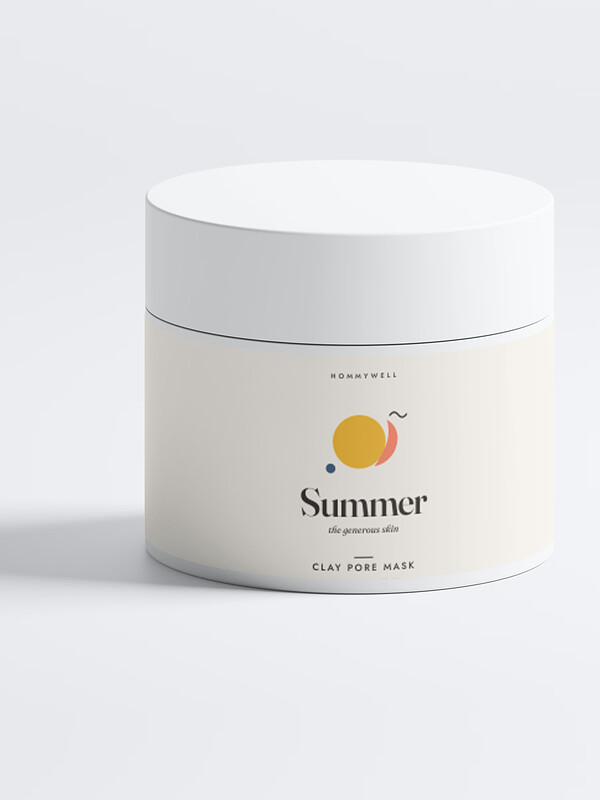
 Earn $12 on every order
Share this product with your link or code and get $12 each time someone buys it. Season Club members earn $16.
Become a partner
How it works
 Earn $12 on every order
Share this product with your link or code and get $12 each time someone buys it. Season Club members earn $16.
Become a partner
How it works
Find your skin season
Seven questions, one minute
Which season is your skin?
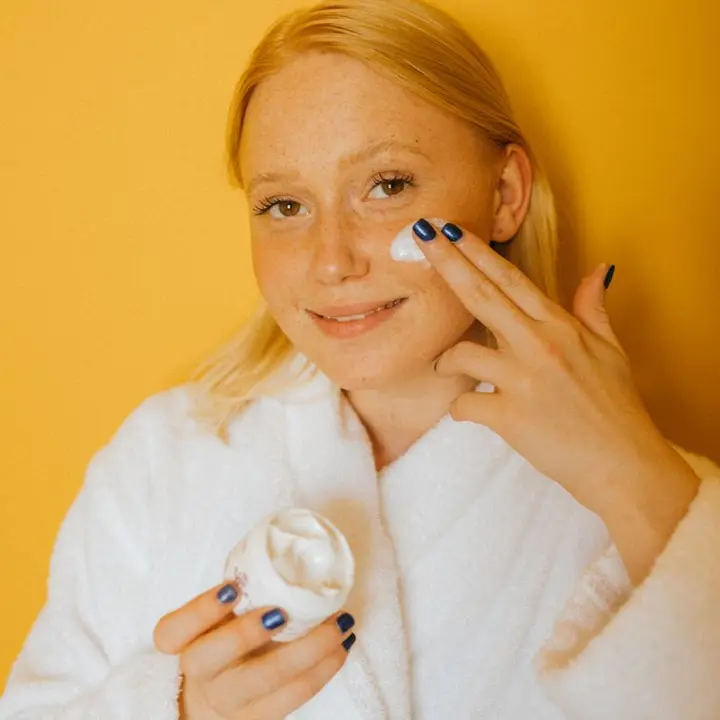
Skin types are easier to remember as seasons. Answer seven simple questions and we will open the shelf made for yours.

Written by Dilyara, founder of HommyWell. She reads ingredient labels the way other people read novels. About her.