Skin Seasons — 8 min —
Autumn Skin Type: 7 Honest Signs Your Skin Is Changing, and What Helps
Autumn skin type is skin that is slowing down: less firm, less even, less bright. Check the 7 honest signs, real examples and the best routine to renew it.
The autumn skin type is the skin that feels fine and looks a little different every year. Nothing hurts. Nothing flakes. But the glow is gone by mid-afternoon, a pillow crease stays until lunch, and the spots that last summer left on your cheekbones are still there in March.
Table of Contents
At HommyWell we sort skin into four seasons. Autumn is the seasoned one. Like October, it is rich and warm and it holds the record of everything that came before: every beach holiday, every late night, every year. This skin does not need rescuing. It needs steady renewal.
In this guide you will find the seven signs, three everyday examples, five rules and a routine built for this season. If you are not sure where you belong, take the seven-question skin season quiz first.
What is the autumn skin type?
The autumn skin type is skin whose natural renewal has slowed. In your twenties the surface replaced itself roughly every four weeks. Now it takes six weeks or more. Old cells stay on the surface longer, so light scatters instead of bouncing back. That is the dullness.
Deeper down, the skin makes less collagen, the protein that works like the springs in a mattress. With fewer springs, skin is slower to bounce back. That is the softening along the jaw and the crease that stays.
Three things define it:
- It is slowing. Renewal, repair and oil production have all turned down a notch.
- It is uneven. Years of sun show up as spots and patches of deeper colour.
- It is comfortable. It rarely stings and rarely breaks out, which is why it is easy to neglect.
Most women meet the autumn skin type somewhere between forty and fifty-five, often around the years when hormones shift. Some arrive earlier after a lot of sun. It is not a problem to solve. It is a season to dress for.
The 7 honest signs of an autumn skin type
Five or more, and this is where you are now.
1. The glow has an expiry time
In the morning your skin looks good. By three in the afternoon it looks flat and tired, even when you are not. Cream helps for an hour.
2. Creases stay
The line from your pillow is still visible when you reach the office. Press a finger into your cheek and the skin returns a moment later than it used to.
3. You tan, but the spots stay behind
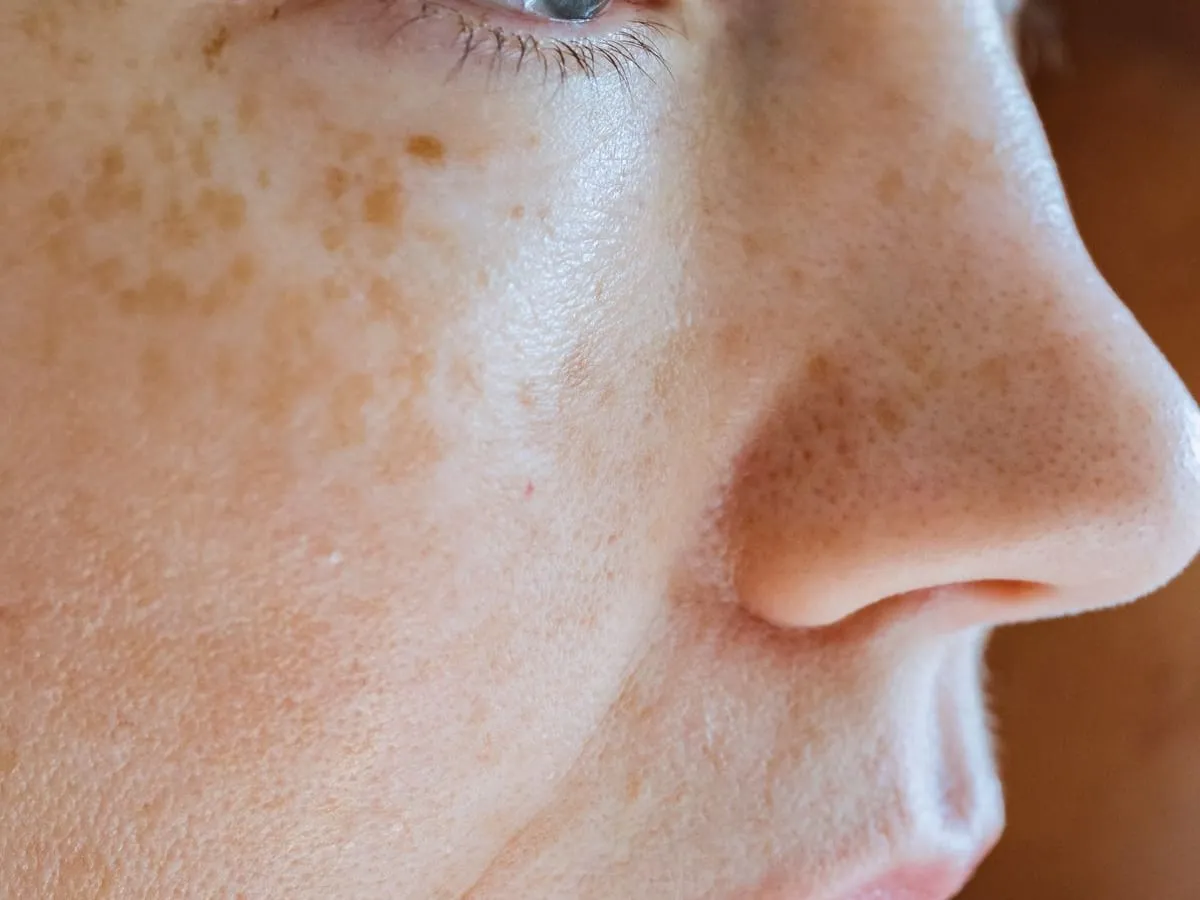
An autumn skin type usually takes colour well. The trouble comes after. When the tan fades, darker patches remain on the cheekbones, the forehead or above the lip, and they stay for months.
4. Tone is less even
Without foundation you see more than one colour: a little redness around the nose, some brown on the cheeks, shadows that were not there ten years ago.
5. Pores look stretched
They are not fuller than before. They are longer, shaped more like drops than dots, especially on the cheeks beside the nose. It is a sign of firmness softening around them.
6. The jawline is softer
The outline that used to be a clean curve now has a gentle wave near the chin. In photos you notice it before you notice any wrinkle.
7. Your old routine stopped working
The cream you have loved for ten years feels pleasant and changes nothing. This is the clearest sign of all. An autumn skin type needs products that ask the skin to do something, not just products that sit on it.

Three everyday examples
Example 1. The photo. A friend posts a picture from dinner. You look at it and think you look tired, though you felt great that evening. Nothing was wrong with you. Restaurant light fell on a surface that no longer reflects it evenly.
Example 2. The holiday that would not leave. You come back from two weeks at the sea with a lovely colour. By October the tan is gone, and two brown patches on your cheekbones are not. They are still there at New Year. That is the signature of an autumn skin type.
Example 3. The second cream. You notice the dullness and respond with more moisturiser. Then a richer one. Your skin feels soft and looks exactly the same. Moisture was never the missing piece. Renewal was.
What the autumn skin type needs: 5 rules
The rule for this season is renew slowly. Steady, gentle signals every week do more than any single strong treatment.
Rule 1. Wake up renewal with gentle acids
When old cells stay too long, the surface looks dull and spots look darker. A mild AHA helps them let go. An AHA such as Spring Weekly AHA Peel used twice a week is the fastest way to bring light back to an autumn skin type. New to acids? Begin with our guide on how to use an AHA peel for the first time.
Rule 2. Give firmness a daily signal
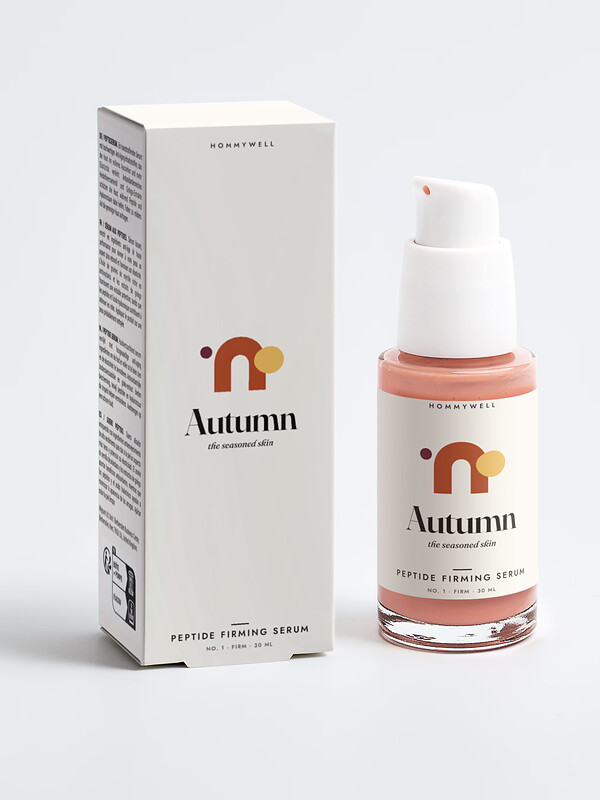
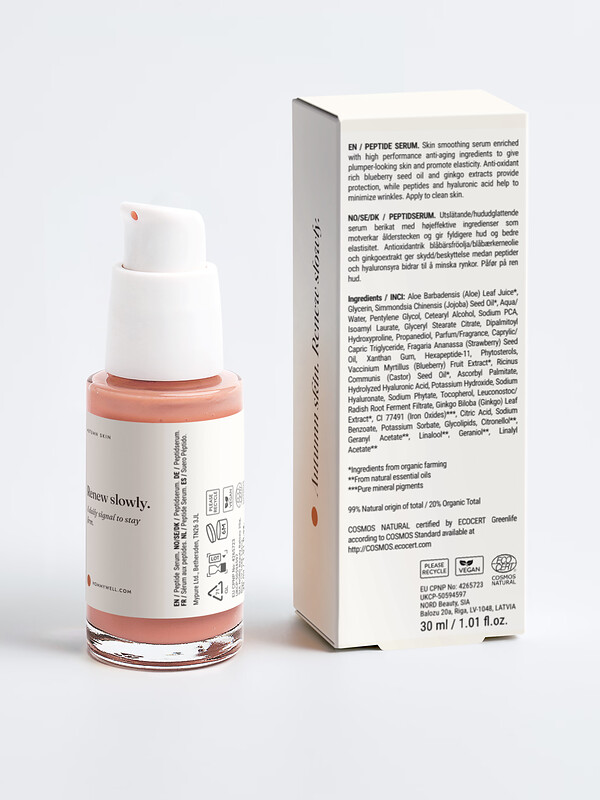
Peptides are short chains of amino acids that tell the skin to keep building its own support. They work quietly and they need consistency. Autumn Peptide Firming Serum is the everyday serum for this season.
Rule 3. Choose a retinol alternative for the long game
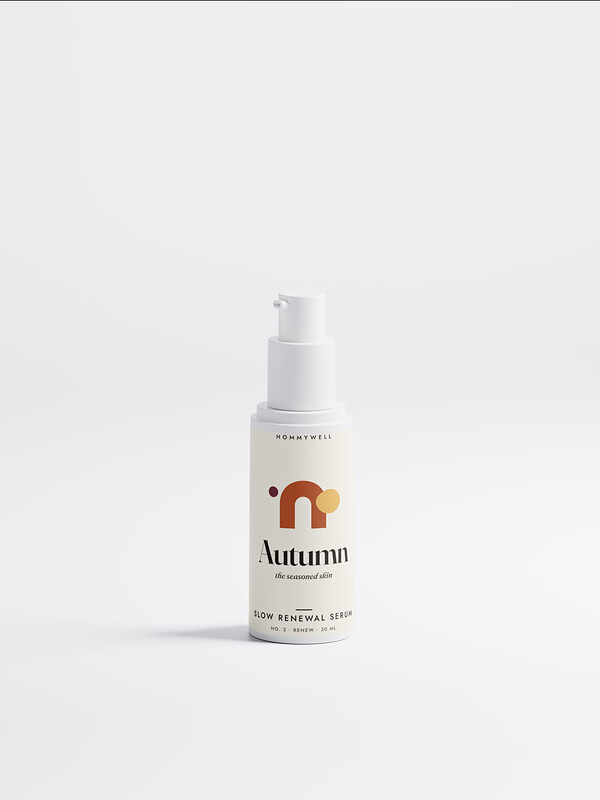
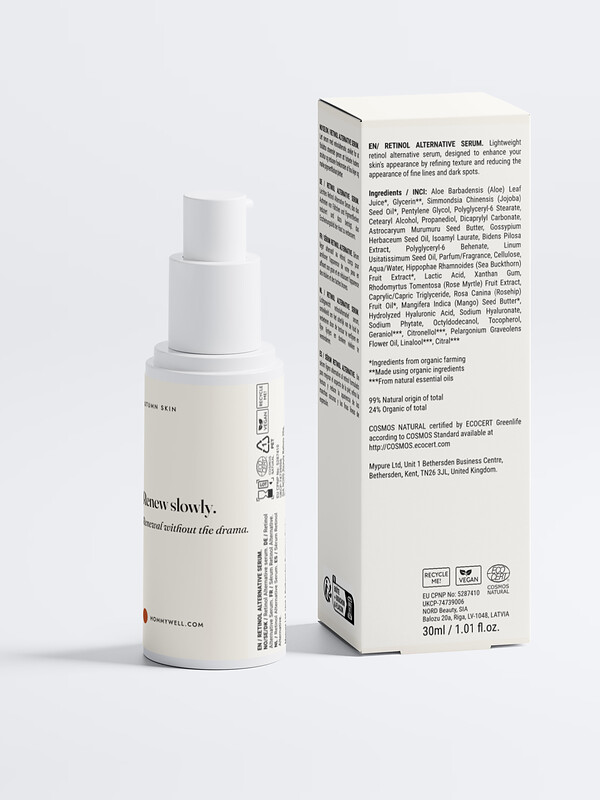
Retinol is famous for smoothing skin, and it is also famous for redness and peeling. A plant-based alternative gives a similar push with far less drama, which suits skin that is thinner than it was. Autumn Slow Renewal Serum was named for exactly this idea: no rush.
Rule 4. Feed the skin after you ask it to work
Actives ask skin to renew. Renewing skin needs fat and water to do it comfortably. Finish every evening with a real cream. Our Autumn Peptide Cream is made to sit over serums, morning and evening.
Rule 5. Sun protection is your spot treatment
Every dark patch on an autumn skin type was drawn by the sun and is redrawn every bright day. Daily SPF does more for even tone than any brightening product. Without it, everything else is half as effective.
The best routine for the autumn skin type
Morning
- Rinse or cleanse gently with lukewarm water.
- Hydrate. One pump of hydration gel on damp skin.
- Signal. Two or three drops of Autumn Peptide Firming Serum, pressed in.
- Seal with a light layer of Autumn Peptide Cream if your skin feels dry.
- Protect with SPF. Every day, in every season.

Evening: the weekly rhythm
An autumn skin type does best on a rhythm rather than the same thing every night.
- Sunday and Wednesday: renewal nights. Cleanse, AHA concentrate, hydration gel, cream.
- Monday, Thursday and Saturday: firmness nights. Cleanse, retinol alternative serum, cream.
- Tuesday and Friday: rest nights. Cleanse, hydration gel, a generous layer of cream. Nothing else.
Rest nights are part of the plan, not a break from it. Skin does its rebuilding when it is left in peace.
If you would rather see every step in one place, the Autumn shelf lists them in order. The order of steps is explained in how to layer your routine.
Neck, chest and hands
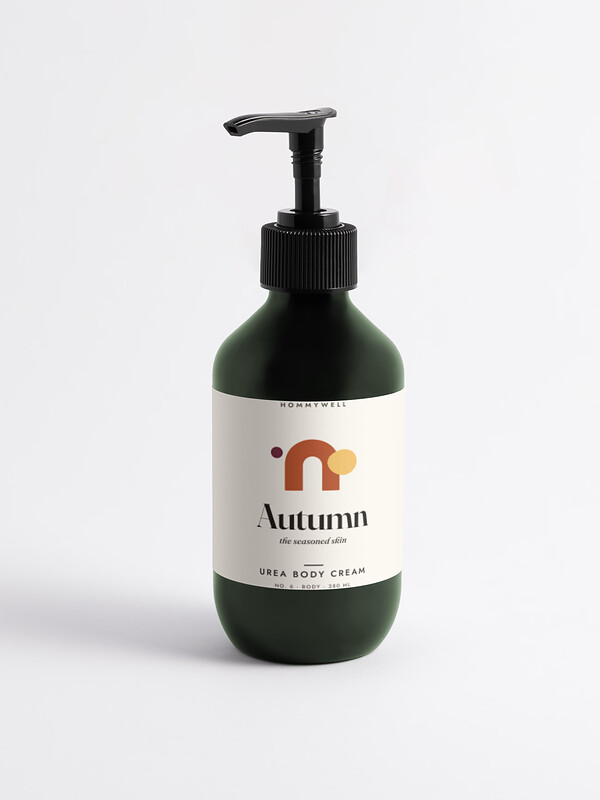
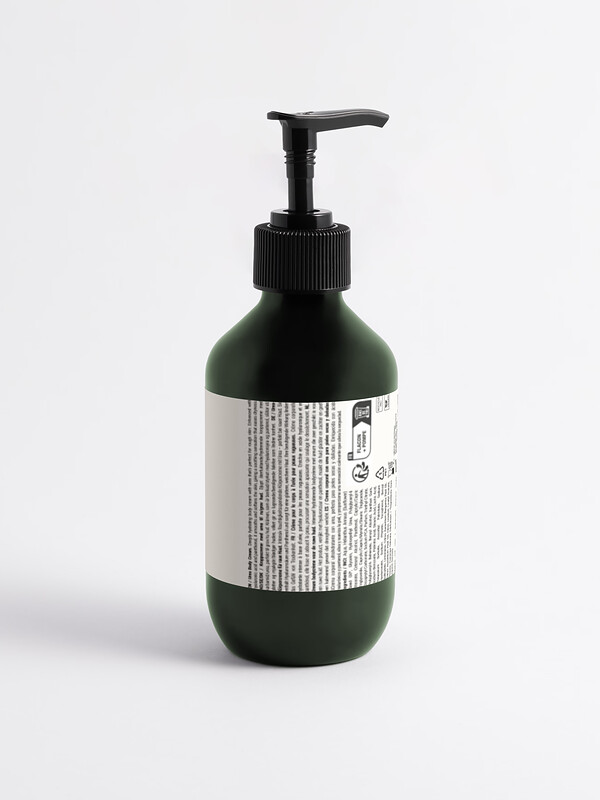
They have lived through the same summers as your face and usually had less protection. Take every step of your routine down to the collarbones. On the body, Autumn Urea Body Cream after the shower keeps arms and shins smooth.
Scalp
Slower renewal shows at the roots too. Many women in this season notice more hair in the brush. A few drops of Autumn Rosemary Scalp Oil massaged in before wash day turns that worry into a five-minute ritual.
What to avoid
- Only moisturising. Comfort is not renewal.
- Everything at once. Acids, retinol alternative and peptides all on the same night is too much. Follow the rhythm.
- Harsh scrubs. Thinner skin marks easily.
- Skipping SPF on grey days. Spots do not check the forecast.
- Expecting a week to change a decade. Give any routine eight to twelve weeks.
How the calendar changes an autumn skin type
- In winter you lean toward Winter. Dryness joins the picture. Add a second rest night and a richer layer of cream.
- In spring begin SPF before you think you need it. March sun is what wakes up last year’s spots.
- In summer protect what you have built. Keep renewal nights but never skip SPF the morning after, and wear a hat.
- In autumn you are in your own season. This is the best time of the year to work on tone and firmness, because the sun is low and skin recovers easily.
Autumn skin type questions, answered
Is the autumn skin type just mature skin?
Mature skin is the closest everyday term. We prefer a season, because age is only part of the story. Sun history and hormones matter just as much, and some women meet this season at thirty-eight while others meet it at fifty-five.
What comes first, spots or firmness?
Start with renewal and SPF. Even tone returns faster than firmness, usually within two to three months, and seeing that change makes it easier to stay consistent with the slower work.
Can I use a retinol alternative and AHA together?
Use them on different nights, as in the weekly rhythm above. An autumn skin type answers better to turns than to layers.
I was oily all my life. Can I be an Autumn now?
Yes. Many Summers and Springs move into this season in their forties as oil production falls. Retake the skin season quiz once a year to see where you are.
Where are the products for my season?
Everything is gathered on the Autumn shelf in our shop.
The short version
An autumn skin type is comfortable, slower and less even than it used to be. It loses its glow by afternoon, keeps creases and holds on to sun spots. Wake it up with gentle acids, give it peptides and a retinol alternative on a weekly rhythm, feed it well at night and protect it every morning. It answers slowly, and it answers every time.
Next step: open the Autumn shelf, or read about the winter skin type, the spring skin type and the summer skin type.
Try it
From this essay to your shelf.
 Earn $12 on every order
Share this product with your link or code and get $12 each time someone buys it. Season Club members earn $16.
Become a partner
How it works
 Earn $11 on every order
Share this product with your link or code and get $11 each time someone buys it. Season Club members earn $14.
Become a partner
How it works
 Earn $12 on every order
Share this product with your link or code and get $12 each time someone buys it. Season Club members earn $16.
Become a partner
How it works
Find your skin season
Seven questions, one minute
Which season is your skin?
Skin types are easier to remember as seasons. Answer seven simple questions and we will open the shelf made for yours.

Written by Dilyara, founder of HommyWell. She reads ingredient labels the way other people read novels. About her.