
Skin Seasons — 8 min —
Spring Skin Type: 7 Simple Signs Your Skin Is Combination and Changeable
Spring skin type is combination skin that changes by the week. Check the 7 simple signs, see real examples and follow an easy routine that balances it.
The spring skin type is the one that cannot make up its mind. Your forehead is shiny by lunch while your cheeks feel tight. One week brings a breakout on the chin, and the next brings a dry patch by the nose. You buy a product for oily skin and it is too harsh. You buy one for dry skin and it is too heavy.
Table of Contents
Nothing is wrong with you. You simply have two climates on one face, and the forecast changes by the week. At HommyWell we call this season Spring, because it behaves exactly like April: sun, rain and wind before noon.
This guide covers the seven signs, three real-life examples, the rules of balance and a routine you can start today. If you have not found your season yet, take the seven-question skin season quiz first.
What is the spring skin type?
The spring skin type is combination skin with a strong reaction to what happens around it and inside it. The centre of the face, the forehead, nose and chin, has active oil glands. The edges, the cheeks, temples and jaw, have far fewer.
So the middle of your face makes more oil than it needs, while the sides lose water faster than they should. Dermatology has a name for that second part: transepidermal water loss. On a Spring face both things happen at once, a few centimetres apart.
Three things define it:
- It is mixed. Oily in the T-zone, normal or dry everywhere else.
- It is changeable. Sleep, stress, travel and your cycle all show on your face within days.
- It is often dehydrated. It can shine and feel tight at the same moment.
Spring is the most common of the four seasons. It is also the most misunderstood, because most products are made for one climate, not two.
The 7 simple signs of a spring skin type
If five or more sound familiar, you are a Spring.
1. Tight cheeks, shiny nose
An hour after washing, with nothing on, your cheeks feel a little tight and your nose already has a glow. Two answers from one face.
2. Pores you can see only in the middle
Look in daylight. Pores are visible on the nose, between the brows and on the chin. On the cheeks, near the ears, the skin is fine and smooth.
3. Breakouts that come and go
You do not have constant acne. You have visitors. One or two spots on the chin or jaw before your period, after a week of bad sleep, or after a long flight. Then calm again.
4. Pink first, then a light tan
In strong sun a spring skin type goes pink quickly, especially on the nose and cheeks. After a few careful days the pink turns into a light, even colour.
5. Makeup slides in one place and clings in another
By mid-afternoon your foundation has melted off the nose and settled into a dry patch on the cheek. No single formula suits the whole face.
6. Your skin reports on your life
A stressful deadline, three short nights, a change of climate. You see it in the mirror before you feel it anywhere else. Dullness, a spot, or sudden flaking.
7. Products work for a month and then stop
A cleanser that was perfect in July feels stripping in November. A cream that saved you in winter feels greasy in May. This is the clearest sign of a spring skin type: your skin does not stay still, so your routine cannot either.
Three everyday examples
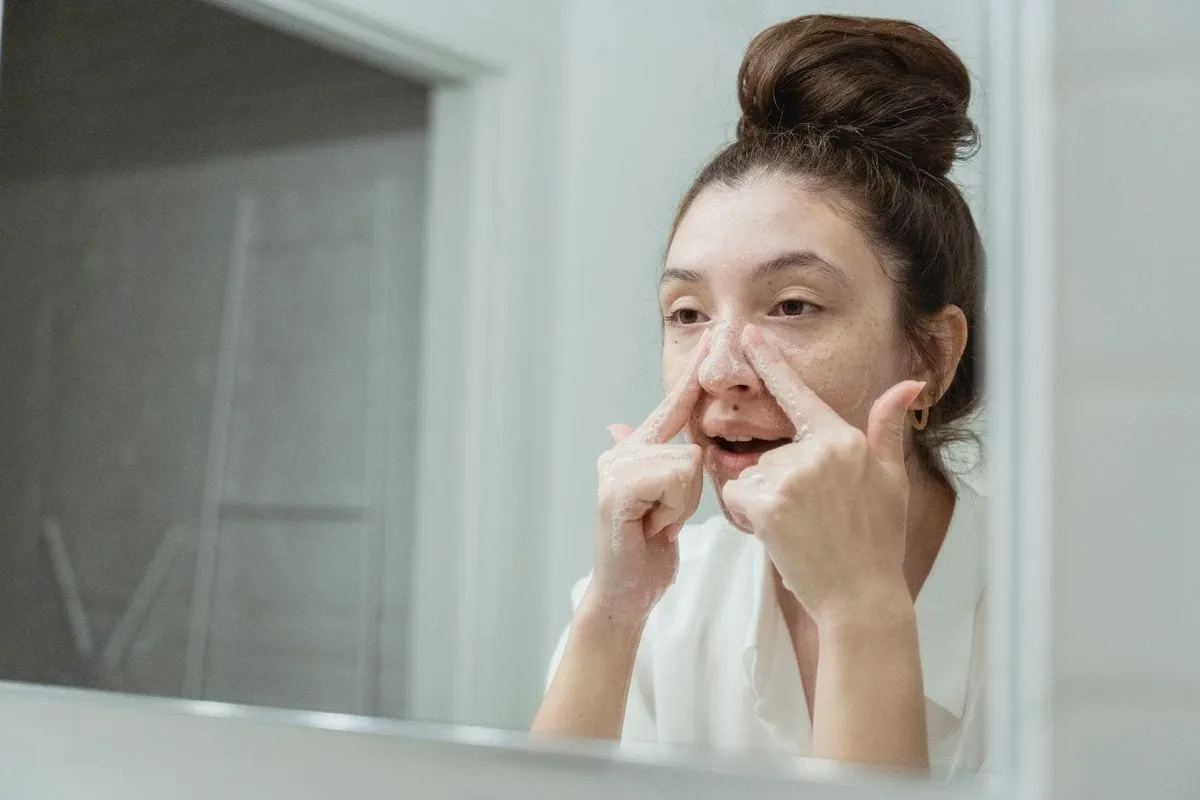
Example 1. The office mirror at 3 p.m. You go to wash your hands and catch your reflection. Your forehead is shiny enough to notice. You press a tissue on it, and at the same moment you feel that the skin beside your mouth is dry. Both are true. That is Spring in one glance.
Example 2. The week before a big event. You sleep badly for four nights, live on coffee, and wake up on the morning of the event with a spot on your chin. It is not bad luck. A spring skin type turns stress into oil within days.
Example 3. The holiday. You fly from a cool city to a humid coast. For the first three days your whole face is shiny, and you think your skin has become oily. Back at home, with the heating on, your cheeks peel. Your skin did not change type. It followed the weather, as Spring always does.
What the spring skin type needs: 5 rules
The rule for this season is balance, not battle. You do not fight the oil and you do not drown the dryness. You give each zone a little of what it lacks.
Rule 1. Treat zones, not the whole face
This is the idea that changes everything. Rich cream goes on the cheeks only. Exfoliating products go on the T-zone only. Your face is a map with two regions.
Rule 2. Light layers over one heavy layer
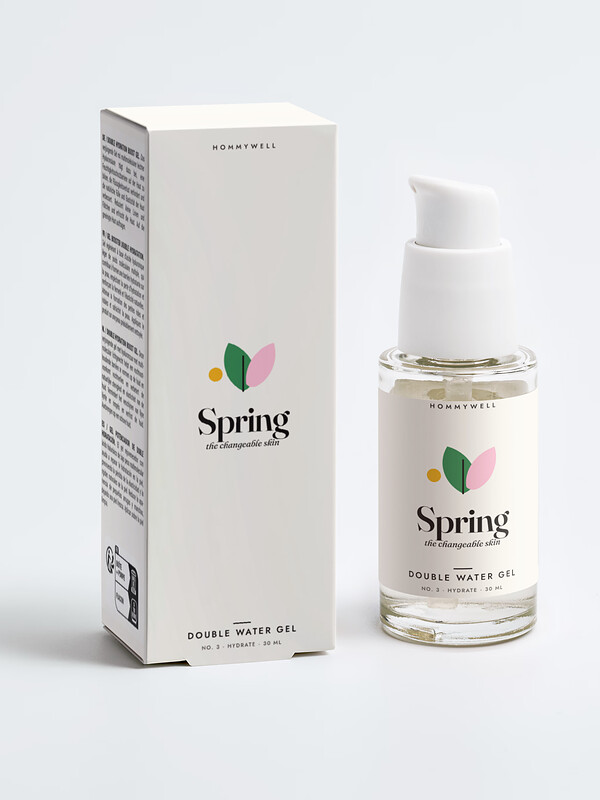
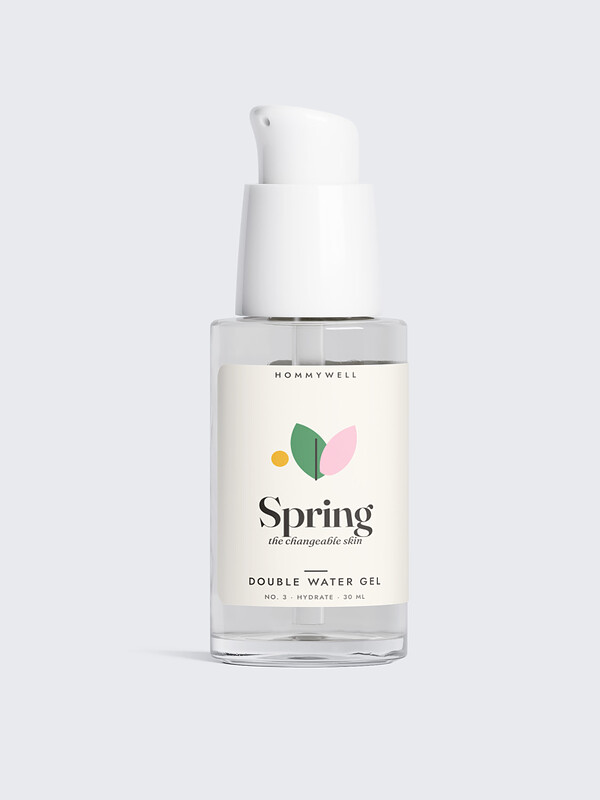
A spring skin type loves water-light hydration. A gel gives the dry areas the water they need without adding oil to the centre. Our Spring Double Water Gel is the everyday base for this season.
Rule 3. Gentle renewal once a week
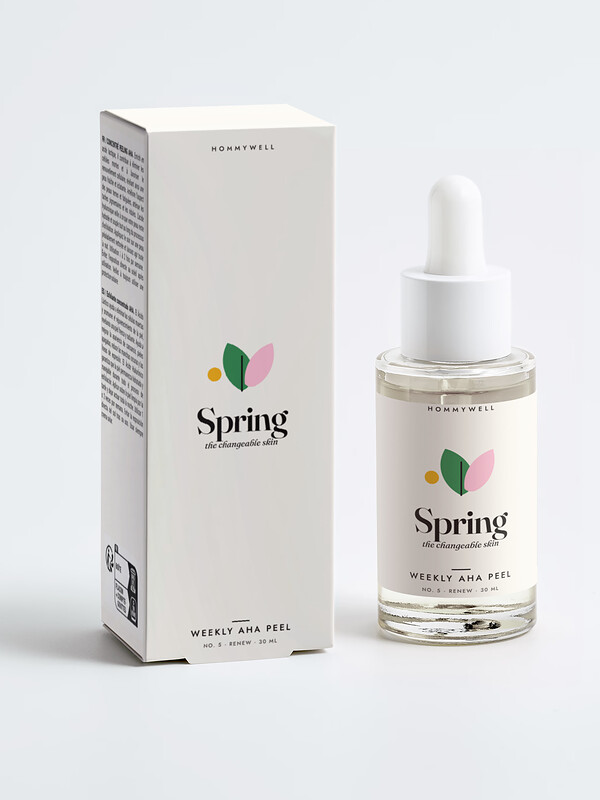
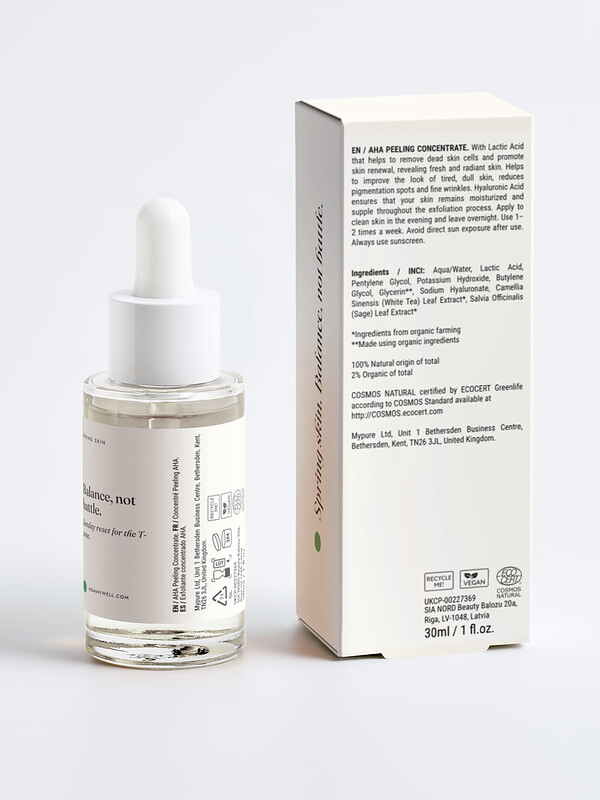
Oil and old skin cells are what turn into blackheads and breakouts in the T-zone. A mild acid once a week keeps the centre of the face clear. Use Spring Weekly AHA Peel on the forehead, nose and chin, and keep it away from the dry edges until you know how your skin answers.
Rule 4. Never strip
Harsh, foaming cleansers remove oil for an hour and then your skin makes more to replace it. The cheeks get drier and the nose gets shinier. A gentle cleanser calms both.
Rule 5. Adjust with the weather
Keep the same products and change the amounts. More cream on the cheeks when the heating is on. Gel alone on humid days. A Spring routine has a dial, not a switch.
An easy routine for the spring skin type
Morning
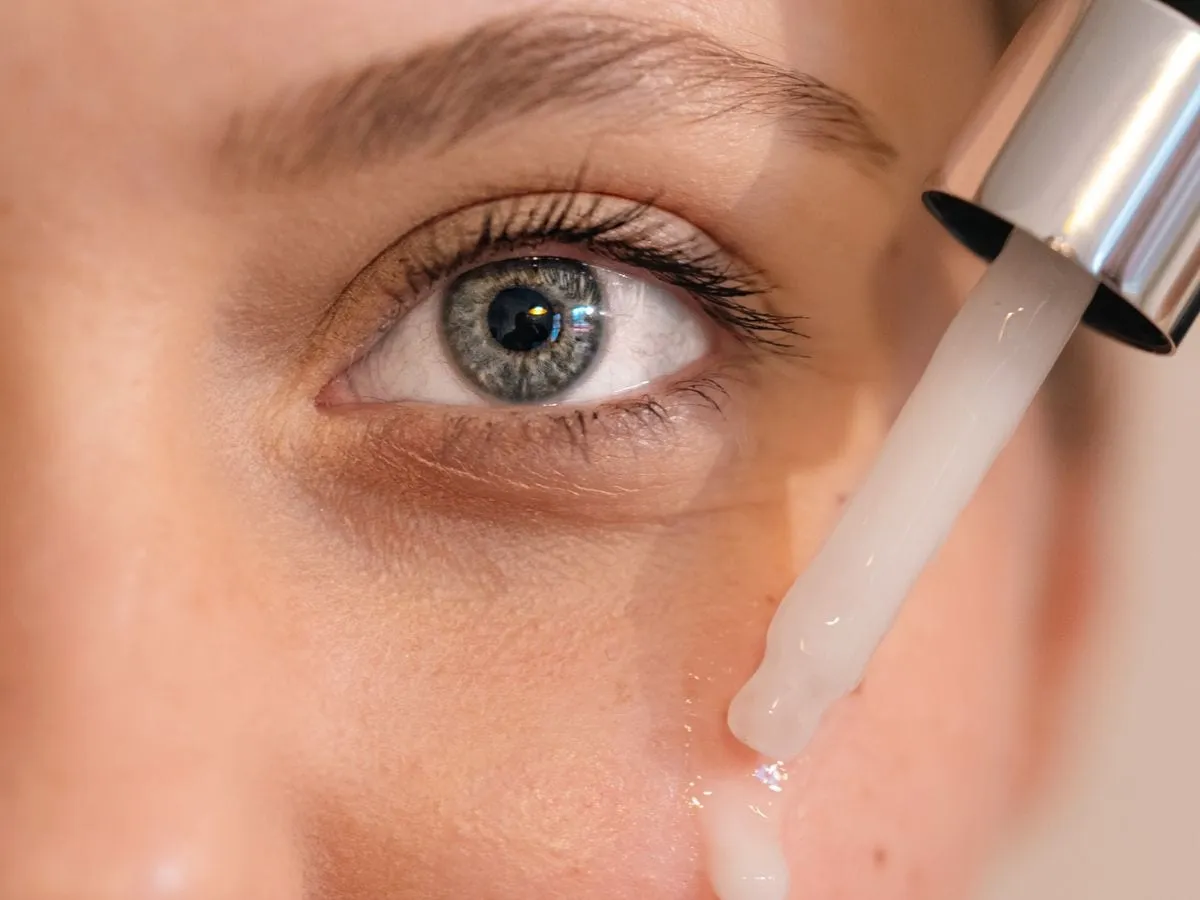
- Cleanse gently with lukewarm water and a mild foam such as Spring Cloud Foam Cleanser.
- Tone. A few drops of Spring Balancing Toner pressed onto damp skin.
- Hydrate everywhere. One pump of Spring Double Water Gel across the whole face.
- Cream on the cheeks only, and only if they feel tight: Spring Niacinamide Gel Cream.
- Protect with a light SPF.

Evening
- Cleanse. If you wore makeup or SPF, cleanse twice, gently.
- Hydrate. Gel again, on damp skin.
- Zone care. A thin layer of cream on the cheeks and around the mouth. Nothing extra on the nose.
Once a week
Sunday evening works well. After cleansing, apply the AHA concentrate to the T-zone, follow the timing in our guide on how to use an AHA peel for the first time, then finish with gel. If you want every step in one place, the Spring shelf puts all seven in order. Our guide on how to layer your routine shows the order.
The week before your period
This is when a spring skin type is at its oiliest. Keep the routine the same, skip the cream on everything except dry patches, and keep your hands away from your chin.
What to avoid
- Products for very oily skin used on the whole face. They are too strong for your cheeks.
- Thick creams on the forehead and nose. Save them for the edges.
- Scrubbing a breakout. It spreads redness and never speeds things up.
- A new routine every month. Change amounts, not products.
- Skipping hydration because you shine. Shine is oil. Your skin can still be short of water.
How the calendar changes a spring skin type
No season follows the weather as closely as this one.
- In winter you lean toward Winter. Cheeks get dry and may flake. Use cream on the whole face at night.
- In spring your skin is at its most reactive. Wind, pollen and the first sun arrive together. Keep the routine short and calm.
- In summer you lean toward Summer. The T-zone is at its shiniest. Gel alone is often enough by day.
- In autumn the balance returns. It is the best time to begin weekly acids if you have never used them.
Spring skin type questions, answered
Is the spring skin type just combination skin?
Combination skin is the base. What makes a spring skin type different is how quickly it changes. Two people can both be combination, but the Spring is the one whose skin tells you about last week.
Do I really need two different creams?
No. You need one gel for the whole face and one cream that you use only where it is needed. Two products, used by zone.
Why do I break out on the chin?
The chin and jaw have oil glands that answer strongly to hormones and stress. A gentle weekly acid and steady hydration keep the area clear far better than drying spot products.
Can my skin season change?
Yes. A spring skin type often drifts toward Autumn or Winter in the forties as oil production falls. Retake the skin season quiz once a year.
Where do I find products for my season?
They are gathered on the Spring shelf in our shop.
The short version
A spring skin type is combination, changeable and often dehydrated. It shines in the middle, tightens at the edges and reports on your sleep, stress and travels. Hydrate the whole face lightly, feed only the dry zones, renew the T-zone once a week, and turn the dial with the weather.
Next step: open the Spring shelf, or read about the winter skin type, the summer skin type and the autumn skin type.
Try it
From this essay to your shelf.
 Earn $9 on every order
Share this product with your link or code and get $9 each time someone buys it. Season Club members earn $12.
Become a partner
How it works
 Earn $11 on every order
Share this product with your link or code and get $11 each time someone buys it. Season Club members earn $14.
Become a partner
How it works
Find your skin season
Seven questions, one minute
Which season is your skin?
Skin types are easier to remember as seasons. Answer seven simple questions and we will open the shelf made for yours.

Written by Dilyara, founder of HommyWell. She reads ingredient labels the way other people read novels. About her.